



Long-acting moxidectin injections in cattle: A smarter way to control parasites
Table of Contents
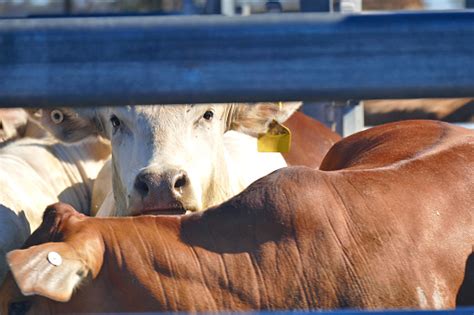
Parasite control is a top priority for cattle producers across Australia. Internal and external parasites can have significant impacts on productivity, weight gain, and animal health, and in turn, can gravely affect profitability.
Consequently, it’s critical to select an effective, long-lasting, and practical treatment for parasites – which is where long-acting moxidectin injections come in. These products have gained great traction across the industry for their benefits, which depending on your circumstances, may outweigh the pros of traditional pour-on treatments.
Whether you’re managing a large pastoral property or a more intensive grazing system, moxidectin injections could help lift your cattle performance and simplify your operations. Keep reading to learn more about moxidectin injections, including how they work, what they treat, and why you should choose them for your cattle.
What are long-acting moxidectin injections?
Let’s start with understanding moxidectin. It’s a macrocyclic lactone (ML) in the same class of endectocides as ivermectin and doramectin. It has a broad spectrum of activity and is extremely effective against both internal parasites, such as gastrointestinal worms and lungworms, and external parasites like lice, mites, and cattle tick.
The long-acting injection formulation of moxidectin is designed to deliver the drug in a controlled-release manner, which provides extended protection of up to 112 days against key parasites found in cattle. These injections are administered by subcutaneous (under the skin) injection into the back of the ear, towards the base.
In Australia, moxidectin injections are particularly suited for cattle during high-risk periods when parasite burdens can have a damaging effect on weight gain and development.
Which parasites does moxidectin treat?
Long-acting moxidectin injections are effective against a wide range of damaging parasites found in Australian cattle:
Internal parasites (mature [adult] and immature [L4])
- Haemonchus placei (barber’s pole worm)
- Haemonchus contortus
- Ostertagia ostertagi (medium brown stomach worm)
- Ostertagia lyrata (small brown stomach worm)
- Trichostrongylus spp. (black scour worm)
- Trichostrongylus axei (stomach hair worm)
- Cooperia oncophora (small intestinal worm)
- Cooperia pectinata
- Cooperia punctata
- Oesophagostomum radiatum (nodule worm)
- Bunostomum phlebotomum (hookworm)
- Trichuris discolor (whipworm)
- Trichuris ovis
- Dictyocaulus viviparus (lungworm)
Adult nematodes
- Nematodirus spathiger (thin-necked intestinal worm)
- Nematodirus helvetianus
External parasites
- Linognathus vituli (long-nosed sucking louse)
- Haematopinus eurysternus (short-nosed sucking louse)
- Solenopotes capillatus (little blue sucking louse)
- Bovicola bovis (biting louse)
- Chorioptes bovis (mite)
- Rhipicephalus (boophilus) microplus (cattle tick)
Moxidectin’s extended coverage is especially effective against Ostertagia, a major worm found in southern Australia, and Haemonchus, which is common in northern and subtropical parts of the country.
How long do moxidectin injections last?
One of the standout features of moxidectin injections is their extended duration of action. While coverage will ultimately depend on the species of parasite you’re trying to control, noteworthy protection periods include:
- Up to 120 days of protection against Haemonchus placei (barber’s pole worm)
- Up to 112 days of protection against Ostertagia ostertagi (medium brown stomach worm)
- Up to 21 days of protection against Cooperia spp. (nematodes)
- Up to 120 days of protection against Dictyocaulus viviparus (lungworm)
The extended protection that moxidectin offers can be beneficial during high-risk seasons – spring and summer in the south, or wet season in the north – when worm burdens and pasture contamination often reach their peaks.
Why choose long-acting moxidectin over pour-on alternatives?
While pour-on products have been a go-to to treat parasites for many years, they have their limitations. Here are a few of the benefits of opting for a long-acting injectable formula:
More reliable absorption
Pour-ons can be affected by environmental conditions like rain, dust, and UV exposure, as well as human error or variables during the application process (e.g., excessive hair or missed spots). Injectables, however, ensure every animal receives a precise dose. This removes the possibility of underdosing, which is a major contributor to resistance development.
Longer protection periods
Most pour-on treatments provide between 21 and 28 days of protection. In contrast, long-acting moxidectin injections can last over 3 months, which drastically reduces the need for treatment across the grazing season. For producers, this means less labour and more cost-effectiveness on the whole.
Resistance management
Australia is facing a growing anthelmintic resistance issue, particularly in Cooperia and Haemonchus species. The injectable formulation of moxidectin maintains more consistent blood levels, which reduces the survival rates of partially resistant worms and slows resistance development. This can be vital for proper resistance control, especially when integrated with other management practices and strategic product rotation.
Less environmental loss
Pour-ons can contribute to environmental contamination through runoff or residue transfer. Injectables are more environmentally safe and limit the amount of drug lost to surroundings, which is important in sensitive areas or sustainably-focused operations.
What are the benefits of long-acting moxidectin for cattle producers?
Long-acting moxidectin injections offer several clear advantages to the vast majority of producers:
Improved weight gain
By providing consistent parasite control, cattle are able to feed more efficiently, which leads to better productivity. Field trials conducted here in Australia by manufacturer Cydectin have shown cattle gain anywhere between 17% and 55% more body weight over a 154-day control period when injectable moxidectin is used, compared to their untreated counterparts. This is particularly crucial during weaning and early growth stages.
Labour efficiency
Fewer treatments means fewer yardings, reduced labour costs, less stress on cattle, and a lower chance of injury. With labour costly and scarce in many parts of Australia, this is a huge benefit.
Strategic management
Long-acting injections enable a more strategic parasite control approach, particularly when they are administered just before periods of high activity. For example, treating weaners in the early summer can prevent parasite build-up throughout the season.
Improved animal welfare
By controlling internal and external parasites like lice, worms, and cattle tick, you’ll improve your animals’ health inside and out. This will inevitably lead to better comfort, reduced rubbing, and less hide damage over time.
When and how to use long-acting moxidectin
Long-acting moxidectin is most effective when it’s used as part of a strategic parasite control plan, rather than reactively when pests are already present. In southern parts of Australia, producers often administer moxidectin in late spring or early summer before worm burdens rise. In areas where rainfall is more present, it will likely be more effective to administer treatments before the wet season begins.
Key considerations for injecting moxidectin
Before you administer long-acting moxidectin injections to your herd, here are a few things to keep in mind:
- Weight accuracy: Always calculate your dose based on the heaviest animal in the group to ensure you’re not under-administering.
- Meat withholding periods (WHP): Depending on the product, you’ll typically need to wait between 90 and 120 days before slaughter for stock compliance.
- Export slaughter interval (ESI): This is often aligned with WHP, but always double-check before administering your chosen moxidectin product.
- Strategic use: Avoid using moxidectin injections more than once a year to help avoid resistance developing in your herd.
Consulting with your local vet or livestock advisor can help fine-tune your timings based on external factors like regional risk, stocking rates, and climatic conditions.
Moxidectin and integrated parasite control
While long-acting moxidectin injections have proven to be powerful, they’re not a silver bullet for parasite management. They will work best when combined with other management practices, including faecal egg count (FEC) monitoring, quarantine drenching of new stock, rotational grazing, and nutrition management.
Using these strategies in conjunction with targeted treatments forms a much more sustainable approach to parasite control that should lead to less resistance overall.
Moxidectin injections are a fantastic, long-lasting option for Australian cattle producers who want to engender better protection within their herds or are experiencing the downsides of pour-on treatments, such as shorter protection windows and a more labour-intensive application process.
As resistance rises across a number of key parasite species in Australia, now’s the perfect time to reconsider how you manage this risk in your herd. With comprehensive coverage, long-acting moxidectin will support your herd’s health for longer, encouraging weight gain and fending off illness for more efficient farm operations.
If you’re still unsure about whether moxidectin injections are right for you, we’d love to help – get in touch with the Specialist Sales team for tailored advice.
About the author