



How to get rid of rats and mice – a pet safe approach
Table of Contents
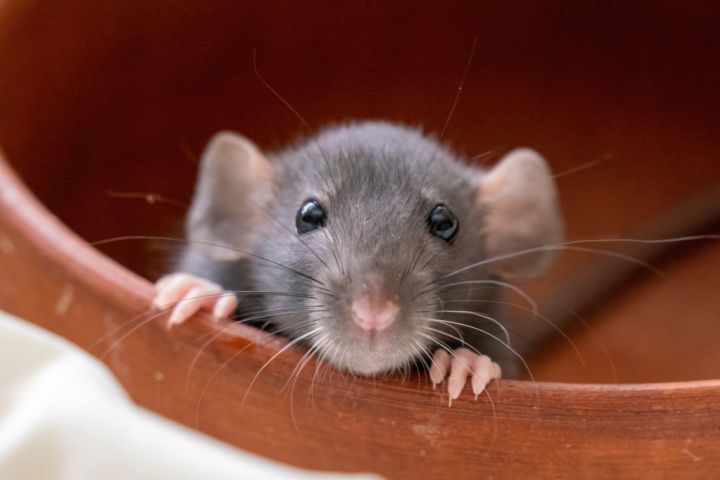
Rats and mice are relentless. They chew through cables, contaminate stored grain, spread disease, and multiply faster than most people realise, and if you’ve dealt with an infestation before, you’ll know that leaving it too long turns a manageable problem into a genuine plague.
To make things trickier, 2026 has brought the biggest shake-up to rodenticide regulation Australia has seen in years, with many of the block baits farmers, businesses, and homeowners have relied on for decades now restricted in how they can be bought and used.
Whether you’re trying to work out if you’ve actually got a rodent problem, looking for a pet- and wildlife-safe way to deal with one, or simply need to know which products are still compliant to use on your property, this guide covers everything you need, along with the products that will get the job done right.
In our experience helping farmers and property owners across Australia manage rodent problems, the biggest mistake is waiting too long to act, or reaching for whatever’s left in the shed without checking if it’s still compliant. Here’s everything you need to know to fix that.
Key facts at a glance
- Australia has two main rat species, the Norway rat and the Roof rat, and one main mouse species, the House mouse. They behave differently, nest differently, and respond differently to bait placement, so correct identification matters before you start a control program.
- Rats travel up to 50–100 metres from their nest; mice rarely go beyond 30 metres. Bait station spacing reflects this: no more than 9 metres apart for rats, no more than 3 metres apart for mice.
- Rats are neophobic; they are wary of new objects and may take several days to approach a new bait station. Mice are curious and will investigate quickly. Factor this into your expectations when starting a new program.
- A minimum two-week baiting program is needed to reduce an established infestation. Inspect and replenish stations regularly, and keep competing food sources to a minimum.
- From 24 March 2026, the APVMA suspended more than 160 products containing five second-generation anticoagulant rodenticides (SGARs): brodifacoum, bromadiolone, difenacoum, difethialone, and flocoumafen. This is not a full ban, but strict new permit conditions now apply and override the product label. Key restrictions include: no outdoor mouse baiting, outdoor rat bait must be in a tamper-resistant fixed station within 2 metres of a building, no direct burrow application, and a maximum 35-day program before formal reassessment.
- First-generation anticoagulant rodenticides (FGARs), including coumatetralyl, are not affected by the suspension and remain fully registered. In practice, coumatetralyl delivers comparable kill times of three to eight days with no bait shyness, and carries a significantly lower secondary poisoning risk to wildlife, dogs, and cats than SGARs.
- No licence is currently required to purchase coumatetralyl-based products. SGAR products are moving toward a Restricted Chemical Product classification that may eventually require mandatory training, but this is still 6 to 12 months away from state-level implementation.
- Always use tamper-resistant bait stations, remove dead rodents at every inspection, wear disposable gloves when handling bait and carcasses, and keep stock, pets, and children away from baited areas.
Signs of rats and mice: how to tell if you have an infestation?
Beyond an actual sighting, there are two tell-tale signs to watch for:
- Droppings: mice droppings resemble dark grains of rice, while rat droppings are fatter and longer. You’ll often need to check hidden corners of sheds and buildings to spot them.
- Chew marks: rats and mice love to gnaw, and a trail of chewed cables, boxes, or packaging is usually a dead giveaway.
Where there’s one, there are almost certainly more. Rodents breed quickly and live in communal groups, so a small population can quickly turn into a full-blown plague if it’s not addressed early.
Rats vs mice: how to tell the difference
| Characteristic | Mouse | Rat (Norway & Roof) |
| Body length (excluding tail) | 7- 10 cm | Norway rat 18- 25 cm; roof rat 16- 20 cm |
| Weight | 15-30 gms | Norway rat – 200-500gms Roof rat 75-230 gms |
| Droppings | 3- 8 mm, granule shape with pointed ends, scattered randomly | Norway rat: up to 20 mm, tapered spindle shape (like a large grain of rice). Roof rat: up to 15 mm, banana-curved with pointed ends |
| Droppings per day | Approx. 80 per day | Approx. 40 per day |
| Smallest gap they fit through | 6 mm (roughly the diameter of a pencil) | 12 mm (roughly the diameter of a 10-cent coin) |
| Food per day | 3–5 gms – nibbles at multiple sites rather than one large feed | 15–30 gms (varies with body weight and species) |
| Water needs | Can survive without free water, obtaining moisture from food. Will drink when available (3–5 mL/day) | Require regular access to free water, found near drains, pipes, water sources; consumes: 30–60 mL/day |
| Breeding rate | 5–10 litters per year; 4–12 pups per litter; sexually mature at 6–8 weeks. Higher reproductive rate than rats | 3–6 litters per year; 5–10 pups per litter; sexually mature at 3 months. Norway rat litters tend to be slightly larger (6–10 pups) |
| Range from nest | 10–30 m. Rarely venture far; this is why bait placement close to activity is critical | Norway rat: typically 30–50 m. Roof rat: up to 100 m(Will travel further when food is scarce) |
| Typical nesting spot | Low-level, concealed spots like wall cavities, under equipment, hay bales, grain storage, insulation. Will exploit any shelter material. | Norway rat: ground level burrows, under slabs, sheds, roots, along walls, sewers and drains. Roof rat: roof voids, wall cavities, ceiling insulation, trees, upper shelving. |
| Reaction to new objects | Curious, will investigate new objects quickly, often entering bait stations and sampling bait within 1–2 days | Highly neophobic, wary of new objects and foods. May take several days to a week before approaching a new bait station |
| Bait station spacing | No more than 3 metres between bait stations, essential given the short foraging range. | No more than 9 metres between bait stations along rat runs and near burrows or places they harbour for shelter. |
The two most commonly encountered rat species in Australian agricultural and domestic settings are the Norway rat (Rattus norvegicus) and the Roof rat (Rattus rattus). While they share many characteristics, there are meaningful differences in size, nesting habits and behaviour. The house mouse (Mus musculus) differs significantly from both rat species. Correct identification determines bait station placement, spacing and product selection.
Rat and mouse prevention: stopping an infestation before it starts
A few simple habits go a long way toward keeping rodents off your property in the first place:
- Seal crevices and holes. Rodents can squeeze through surprisingly small gaps, steel wool or caulk around entry points helps keep them out.
- Store food in airtight containers, including stock feed. Loose or exposed food is one of the biggest drawcards for rats and mice.
- Keep on top of sanitation. Tidy properties, minimal standing water, and short grass around buildings all reduce the food, water, and shelter rodents need to move in.
What’s changed: the 2026 SGAR suspension explained
As of 24 March 2026, the Australian Pesticides and Veterinary Medicines Authority (APVMA) suspended more than 160 rodenticide products containing SGARs, the class of anticoagulant found in many of the most common rat and mice block baits, grain baits, pellets, and pastes used across agricultural, commercial, and domestic settings.
What are SGARs, and why were they suspended?
Anticoagulant rodenticides work by preventing blood from clotting, causing rodents to die from internal bleeding days after consuming a lethal dose. There are two generations:
- First-generation (FGARs): such as coumatetralyl, warfarin, and diphacinone require rodents to feed multiple times over several days to reach a lethal dose.
- Second-generation (SGARs): brodifacoum, bromadiolone, difenacoum, difethialone, and flocoumafen are far more potent, with a single day’s feeding capable of delivering a fatal dose.
That potency is exactly the problem. Because SGAR compounds persist in a rodent’s tissue at high concentrations, and a poisoned rodent may keep feeding for five to ten days before dying, predators that scavenge on the carcass, owls, eagles, goannas, quolls, and even farm cats and dogs can receive a lethal or sublethal dose themselves without ever touching the bait directly. This is known as secondary poisoning, and it was the primary concern in the APVMA’s multi-year review, which found that four of the five SGAR compounds were highly toxic to birds.
The suspension isn’t a full ban; existing SGAR stock can still be sold and used, but only in accordance with the APVMA’s enforceable permit conditions, which override the product label. Key conditions include:
- No outdoor bait stations for mice control.
- Any outdoor bait must be secured in a tamper-resistant, weather-resistant bait station, fixed in place and no more than 2 metres from a building.
- No baiting directly into burrows.
- No continuous use beyond 35 days without reassessing the infestation.
- Dead rodents must be searched for and disposed of at every visit, to prevent secondary poisoning.
- Disposable gloves must be worn when handling bait, stations, or carcasses.
For farmers managing rodents around grain storage, sheds, or open paddocks, the outdoor placement restrictions are the most significant practical change; open-paddock SGAR baiting is no longer compliant.
For more information refer to our blog on the 2026 SGAR suspension.
APVMA SGAR suspension at a glance
| Before 24 March 2026 | Under the 2026 APVMA permit conditions | |
| Which document applies | Product label only. Label directions were the legal basis for supply and use. | APVMA Gazette No. 5 (10 March 2026) – the Deemed Permit overrides the product label. Where the permit and label conflict, the permit takes legal precedence. Retailers must provide a copy of the permit conditions at point of sale |
| Outdoor mouse control | Permitted under label directions, including use in bait stations outdoors | Prohibited. SGAR products cannot be placed outdoors for mouse control under any circumstances |
| Outdoor rat baiting | Permitted under label directions. Bait stations were recommended best practice but placement was flexible | Permitted only if bait is secured inside a tamper-resistant and weather-resistant bait station that is fixed in place, positioned no more than 2 metres from a building. Open placement or unfixed stations are not compliant. |
| Baiting into burrows | Permitted on product labels for some products | Prohibited. Products must not be applied directly into burrows. |
| Length of a baiting program | No maximum program length specified; programs could continue as long as infestation persisted. | Maximum 35 consecutive days before the infestation and treatment efficacy must be formally reassessed. Continuing beyond 35 days without reassessment is non-compliant. |
| Dead rodent removal | Best practice guidance only – removal was recommended but not a legally enforceable condition of use | Mandatory. Dead rodents (and slogs/snails if present) must be searched for and removed from the infested area at each service visit to reduce the risk of secondary poisoning. Disposal of carcasses and uneaten bait in accordance with local, state or territory government regulations. |
| Gloves | Recommended on product labels as a safety precaution during handling. | Mandatory. Disposable gloves must be worn when handling bait, bait stations, and rodent carcasses. Clothes must be washed after performing re-handling activities. |
| Availability | Freely available to the general public and commercial users across all channels: hardware stores, rural retailers, online with no restriction on purchase. | Products can still be supplied and sold during the suspension period. Stock already in the field can continue to be used under permit conditions. However, the APVMA has certified SGARs should become Restricted Chemical Products (RCPs), which, if accepted by DAFF and implemented by states, will restrict purchase and use to licensed and trained individuals. State training requirements are expected to take a further 6–12 months to be released. |
What are the new rules for SGAR baits in 2026?
The suspension isn’t a full ban; existing SGAR stock can still be sold and used, but only in accordance with the APVMA’s enforceable permit conditions, which override the product label. Key conditions include:
- No outdoor bait stations for mice control.
- Any outdoor bait must be secured in a tamper-resistant, weather-resistant bait station, fixed in place and no more than 2 metres from a building.
- No baiting directly into burrows.
- No continuous use beyond 35 days without reassessing the infestation.
- Dead rodents must be searched for and disposed of at every visit, to prevent secondary poisoning.
- Disposable gloves must be worn when handling bait, stations, or carcasses.
For farmers managing rodents around grain storage, sheds, or open paddocks, the outdoor placement restrictions are the most significant practical change; open-paddock SGAR baiting is no longer compliant.
4 fully compliant and safe to use rodenticides
Coumatetralyl works through the same anticoagulant mechanism as SGARs but is metabolised far more quickly, meaning that dead rodents carry much lower residue levels and pose a substantially reduced risk of secondary poisoning. Multi-feed products still achieve kill times of around 3 to 8 days, comparable to SGAR performance without the current regulatory restrictions.
At Specialist Sales, we stock a range of coumatetralyl-based products that remain fully registered and unaffected by the suspension:
Racumin Rat and Mouse Blocks
- Wax block formulation containing coumatetralyl
- Weather-resistant and durable in damp or humid conditions, thanks to the wax carrier
- Ideal for use in grain sheds, hay storage, and farm buildings where moisture is present
- Can be nailed, wired, or secured on rods within bait stations to keep them inaccessible to non-target animals
- Suitable for use in and around farm buildings, dairies, commercial premises, and domestic structures
Racumin Rat and Mouse Paste
- Comes in individual edible sachets
- Ready-to-use format requires no handling of loose bait
- Highly palatable to rats and mice, combining vegetable fats and carbohydrates in a formulation that consistently drives high bait acceptance
- Suits areas where loose grain bait is impractical, such as wall cavities, tight spaces within machinery, and anywhere spillage is a concern
Racumin 8 Rat and Mouse Rodenticide
- Concentrated coumatetralyl powder
- Applied as a tracking powder along rodent runways, burrow entrances, and areas of known activity and ingested by rodents when cleaning the powder from their feet
- Alternatively, can be mixed with cereal grain, fruit, or other bait materials to create a custom dry-bait formulation tailored to the food sources rodents find attractive
- Approved by the Australian Quarantine and Inspection Service (AQIS) for use in non-product areas of export meat establishments
Surefire Couma All Weather Blocks
- High-palatability wax-block baits containing coumatetralyl
- Delivers excellent performance in damp and humid environments
- Particularly suited to outdoor bait stations, grain storage areas, and agricultural buildings
- Carries a unique registration for macadamia, sugar cane, and pineapple crops, as well as dairies and meatworks
- Multi-feed mode of action avoids bait shyness
- Includes a human-taste deterrent (denatonium benzoate)
All four products below contain coumatetralyl, a first-generation anticoagulant rodenticide (FGAR). FGARs are not affected by the APVMA’s March 2026 suspension of second-generation anticoagulant rodenticides (SGARs) and remain fully registered for use under their existing label conditions.
Pet-safe rodenticides
| Racumin Blocks | Racumin Paste | Racumin 8 | Surefire Couma Blocks | |
| Active ingredient | Coumatetralyl 0.37 g/kg | Coumatetralyl 0.37 g/kg | Coumatetralyl 8 g/kg (concentrate) | Coumatetralyl 0.37 g/kg |
| Format | Ready-to-use wax blocks (approx. 30 g each). Central hole for securing on rods or wire in bait stations | Ready-to-use paste in individual edible sachets. No handling of loose bait required | Concentrated powder. Use as a tracking powder or mix with grain/fruit to make a custom dry bait | Ready-to-use wax blocks (approx. 15 g each). Central hole for securing in bait stations |
| Best for | Farm sheds, grain storage, dairies, meatworks, sewers, drains, outdoor bait stations. Crop situations (macadamia, sugar cane, pineapple) | Wall cavities, machinery spaces, ceiling voids, tight spots where spillage or loose bait is impractical. Indoor infestations | High-traffic runways, burrow entrances, export meat establishments (AQIS-approved). Situations where a custom bait formulation is preferred | Outdoor bait stations, agricultural buildings, grain storage, crop situations. Dairies, meatworks, wharf areas |
| Wet/humid areas | Yes – wax formulation is moisture-resistant and durable in damp conditions | Limited – sachets offer some protection but paste format is not designed for prolonged outdoor damp exposure | No – powder formulation is not suitable for wet or humid outdoor situations | Yes – wax formulation performs well in damp, humid and all-weather conditions |
| Pack sizes | 2 kg (65 blocks) & 5 kg (165 blocks) | 500 gm, 2 kg & 5 kg | 1 kg & 10 kg | 2.4 kg pail & 8 kg pail |
| Registered cropuse | Yes – macadamia, sugar cane, pineapple | No | No | Yes – macadamia, sugar cane, pineapple, dairies, meatworks |
| Human taste deterrent | Yes – Bitrex (denatonium benzoate) | Yes – Bitrex (denatonium benzoate) | No | Yes – denatonium benzoate |
| Secondary poisoning risk | Low – coumatetralyl metabolises quickly; low residues in dead rodents | Low – same active ingredient; low residues in dead rodents | Low – same active ingredient; low residues in dead rodents | Low – coumatetralyl metabolises quickly; low residues in dead rodents |
| Kill time | 3–8 days (multi-feed anticoagulant; no bait shyness) | 3–8 days (multi-feed anticoagulant; no bait shyness) | 3–8 days (multi-feed anticoagulant) | 3–8 days (multi-feed anticoagulant; no bait shyness) |
| APVMA suspension affected? | No – FGAR, fully registered | No – FGAR, fully registered | No – FGAR, fully registered | No – FGAR, fully registered |
| Standout feature | Robust, durable wax block proven in tough farm conditions. Can be wired or nailed into bait stations. Registered for macadamia, sugar cane, and pineapple crops | No-mess sachet format drives high bait acceptance in confined or sensitive locations where loose bait is impractical, ideal for wall voids, machinery, and food-handling areas | Two-in-one use: tracking powder along runways or mixed into a custom bait. AQIS-approved for export meat establishments. The most flexible formulation in the range | Unique registration for macadamia, sugar cane, and pineapple crops, one of very few coumatetralyl products with specific crop approvals. Available in larger 8 kg pails for commercial operations |
How do you use rodenticides safely and effectively?
Whether you’re using coumatetralyl or working through existing SGAR stock under permit, a few core practices make any baiting program safer and more effective:
- Always use bait stations. They limit access to non-target animals, pets, and children, and protect bait from the weather. Space stations no more than 3 metres apart for mice, or 9 metres apart for rats.
- Cut off alternative food sources. Secure grain storage and clean up spilt feed — rodents with abundant alternatives will feed on bait more slowly and inconsistently.
- Bait for at least two weeks. Inspect and replenish stations regularly throughout an established infestation.
- Collect and dispose of dead rodents regularly, wearing disposable gloves, to reduce the risk to farm dogs, working cats, and native predators.
- Keep livestock, pets, and children away from baited areas while bait is present.
Frequently asked questions
How many bait stations do I need?
The number of bait stations depends on the size of the area you’re treating and which rodent you’re targeting.
For mice, stations should be placed no more than 3 metres apart along known runways and activity areas. Mice rarely travel far from their nest, so close spacing is essential.
For rats, stations can be spaced up to 9 metres apart. Start by mapping where you’re seeing activity, droppings, gnaw marks, smear marks along walls, and place stations at those points first. For a standard farm shed or grain storage building, most producers find that more stations placed correctly outperform fewer stations placed at random. If bait is being consumed quickly, add more stations rather than increasing the amount of bait per station.
How long does rat bait take to work?
With coumatetralyl-based products such as the Racumin range and Surefire Couma Blocks, expect to see results within three to eight days of rodents consuming a lethal dose. Because these are multi-feed anticoagulants, rodents need to feed over several days before accumulating enough of the active ingredient to be fatal, but the delayed action is an advantage, as it means no bait shyness and consistent feeding across the population. Bait stations should be checked and replenished regularly during this period, and a minimum two-week baiting program is recommended to effectively reduce established populations.
Do I need a licence to buy rat bait in Australia?
Currently, no licence is required to purchase coumatetralyl-based rodenticide products such as the Racumin range and Surefire Couma Blocks. These are available directly from Specialist Sales without any licensing requirement.
The situation for SGAR products (brodifacoum, bromadiolone, difenacoum, difethialone, flocoumafen) is in transition: those products are currently suspended and subject to new permit conditions, and the APVMA has certified they should become Restricted Chemical Products, which would eventually require mandatory training to purchase and use.
State governments are responsible for implementing those training requirements, and guidance is expected to take a further 6 to 12 months to be released. For current FGAR products, no licence is needed.
What’s the best bait for mice vs rats?
For most farm and agricultural situations, a wax block formulation works well for both species. The block format is durable, weather-resistant, and can be secured in bait stations away from non-target animals.
For mice specifically, palatability and placement matter more than product choice: mice are curious, will investigate bait quickly, and respond well to paste or sachet-format baits like Racumin Paste in tight spaces where blocks are harder to place.
For rats, which are more cautious around new objects, allow several days for them to become comfortable with a new bait station before expecting heavy uptake, and consider Racumin 8 as a tracking powder along established runways to exploit existing rat behaviour rather than introducing something unfamiliar.
All Specialist Sales coumatetralyl products control both rats and mice; the best choice depends more on your situation and placement options than on the species you’re targeting.
About the author