



Fertiliser
Showing 25–36 of 41 results
-

Lawn and Garden Sprayer
$45.00(GST Incl.) -

MycoBoost Soil Implants
Price range: $55.00 through $275.00(GST Incl.) -
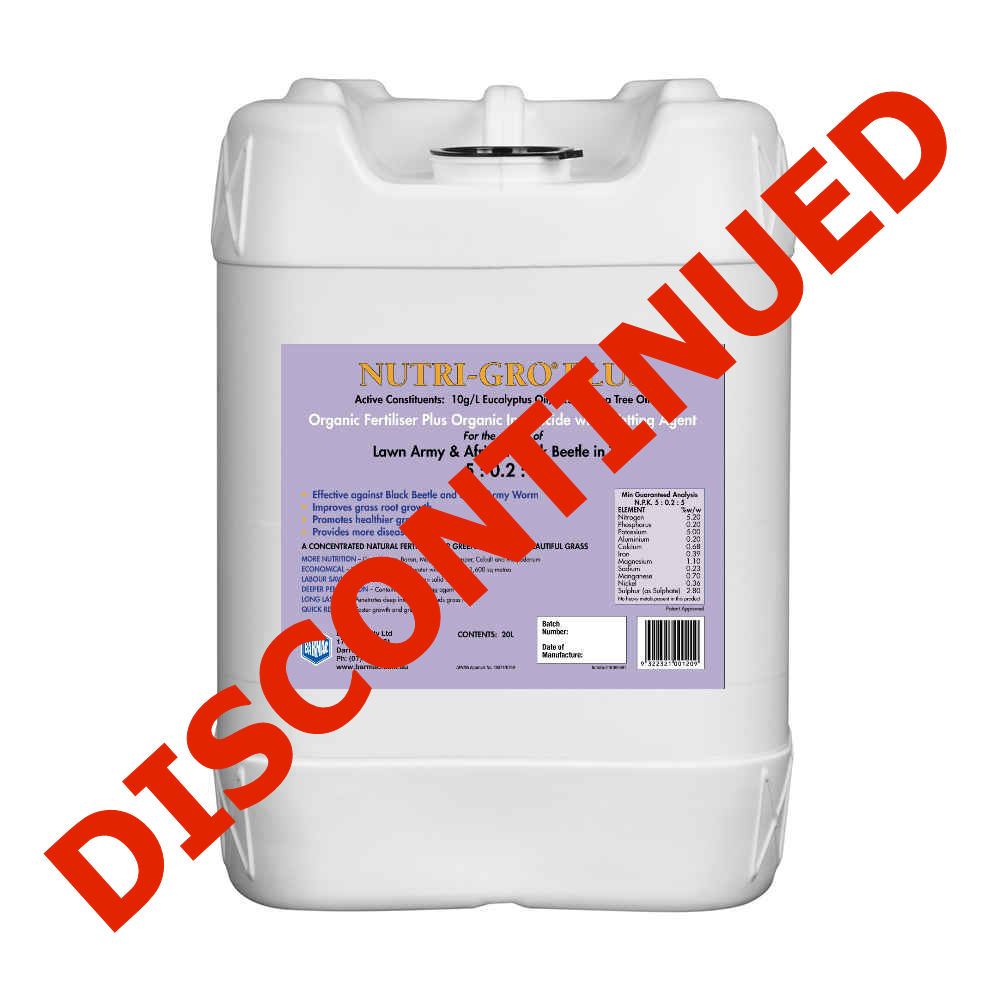
Nutri-Gro Plus
$299.00(GST Incl.)Out of Stock
-

Oxafert Herbicide And Fertiliser
$210.00(GST Incl.) -

Propel – Turf Soil Conditioner, Catalyst and Penetrant
Price range: $80.00 through $260.00(GST Incl.) -

ProteSyn Turf Biostimulant (6-2-3) – Healthy turf in low light/shade.
Price range: $90.00 through $325.00(GST Incl.) -

Renaissance Turf Biostimulant – Micronutrients Package.
Price range: $70.00 through $260.00(GST Incl.) -

Roots and Shoot Builder
$140.00(GST Incl.)Out of Stock
-

Seasol PastureMasta Fertiliser & Soil Conditioner
$255.00(GST Incl.) -

Seasol Powerfeed Commercial Concentrate
Price range: $120.00 through $275.00(GST Incl.) -
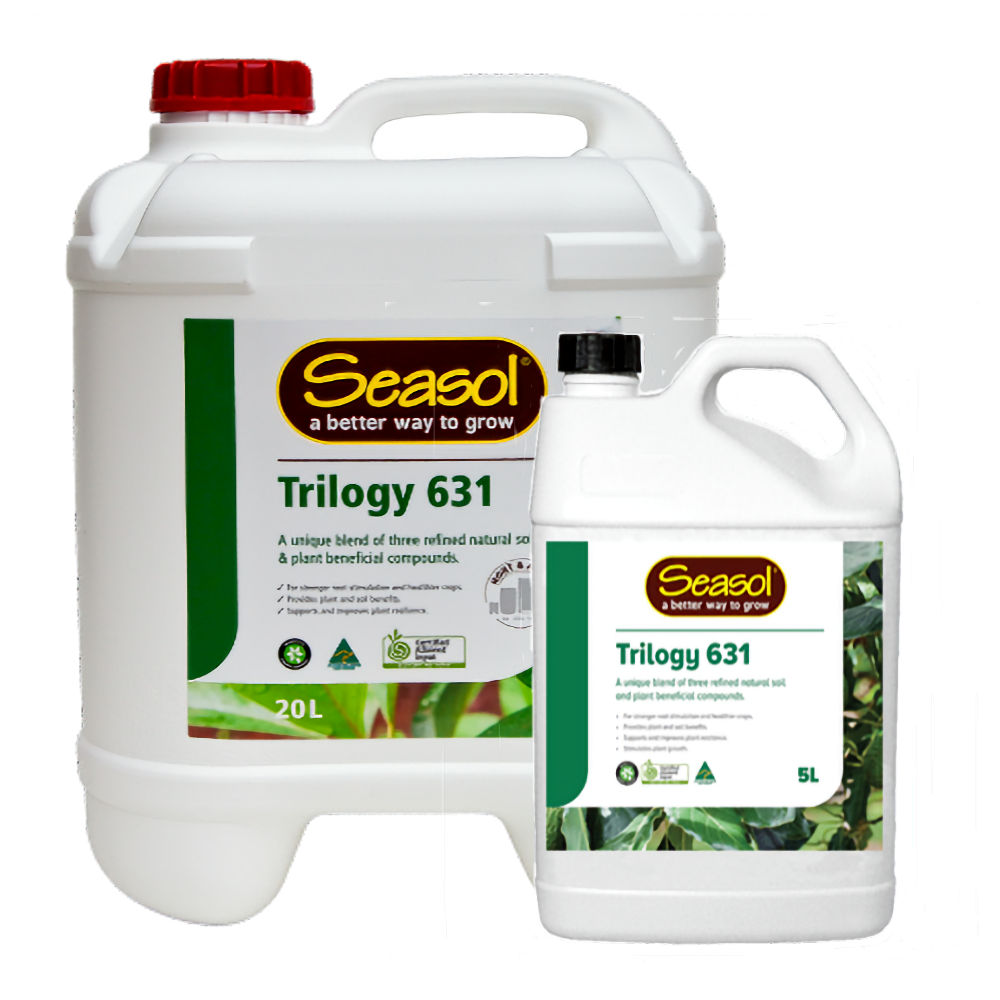
Seasol Trilogy 631
Price range: $120.00 through $280.00(GST Incl.) -
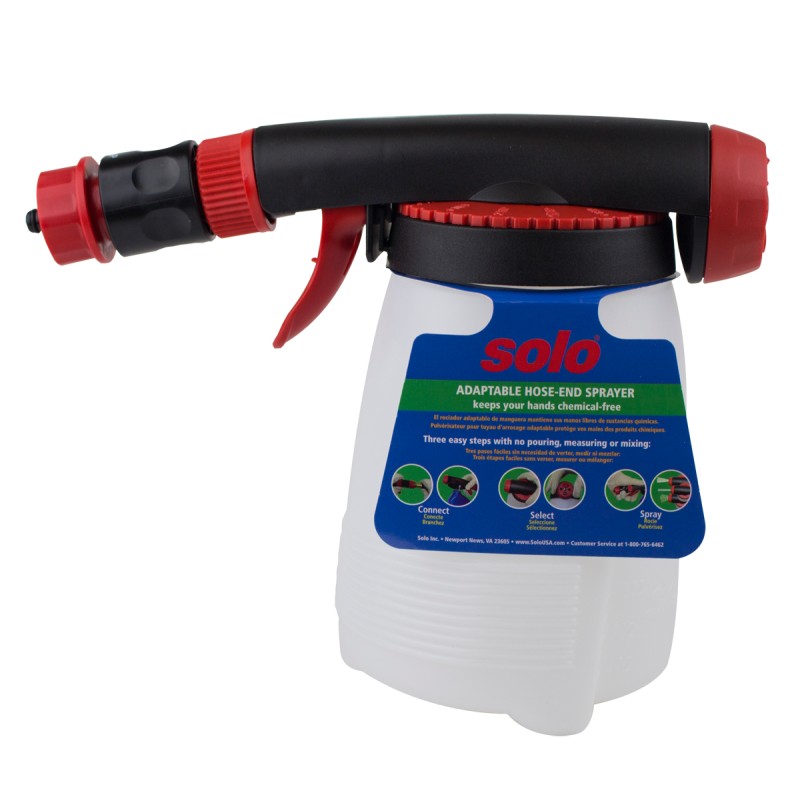
Solo 405 HE Hose-End Sprayer
$50.00(GST Incl.)
Why use fertiliser on your garden or lawn?
Fertiliser is an essential component of good lawn and garden care, especially in the Australian climate where soils can be sandy or lacking the correct nutrients.
It helps to keep turf and plants healthy by replenishing the nutrients they lose or use up over time, including nitrogen, potassium, and phosphorus. These are often compromised through manual care practices like watering and mowing, as well as through natural leaching, which can leave the soil less fertile and plants without the nourishment they need to thrive.
When you apply a quality fertiliser, you’re rebalancing your plant or turf’s nutrient composition. This promotes stronger and deeper root growth, healthy flowers and foliage, and that lush green colour we all associate with well-looked-after plants. In lawns, fertiliser can also help maintain density and resistance against wear, drought and pests.
Which type of fertiliser should I choose?
The type of fertiliser you select will depend on the context, the issues you’re facing, and your preferred method of application. Choose from these fertiliser types and application methods to suit your specific needs:
- High-nitrogen feeds: Ideal for spring green-up or quick recovery after stress caused by mowing or high traffic.
- Complete balanced fertilisers: Multi-nutrient blends offering nitrogen, phosphorus, and potassium (N-P-K) plus trace elements for ongoing plant or lawn health.
- Foliar or liquid formulations: Designed for areas with compacted or marginal soils to deliver nutrients rapidly via the leaf.
- Granular bags: Excellent for broad-area application using a spreader, facilitating the slow release of nutrients in lawn or turf zones.
- Specialist products: For addressing issues like iron deficiency or magnesium uplift. Consider a product like GMX Iron Plus Fertiliser in these circumstances.
How to apply a fertiliser
Once you’ve chosen the right fertiliser for your needs, maximise results by following these application guidelines:
-
- Identify your conditions: The plant species, wear level (in turf), and sunlight or shade exposure will impact which application method you select.
- Choose the right fertiliser format: If your soil is compacted or has poor uptake, a liquid or foliar formula may outperform fertiliser granules. Similarly, granular methods are much more convenient when addressing large areas.
- Pay attention to the season: Opt for high-nitrogen formulas during growth periods, balanced feeds when maintaining, and specialist micro-nutrient products if symptoms of deficiency are evident.
- Follow label directions: As with any chemical, always adhere to the manufacturer’s instructions found on the Product Label. Follow application rate, timing, spreader calibration, and sprayer setup guidelines to ensure safety and efficacy.
- Maintain consistent care: Fertiliser is just one part of the equation. After application, focus on keeping the soil healthy and irrigated, and mow regularly if fertilising turf or lawn.
The best time to fertilise your lawn
The best time to fertilise your lawn is during its active growth periods – spring, summer, and autumn. The exact timing you choose will depend on your grass type:
- Warm-season grasses (buffalo, couch, zoysia, Kikuyu): Fertilise in mid-spring, again in summer, and once more in autumn.
- Cool-season grasses (fescue, rye, Kentucky bluegrass): Fertilise in spring and again in autumn.
If you’re only applying fertiliser to your lawn once per year, do this in spring for best results.
Browse the full range of turf and domestic fertilisers today at Specialist Sales. Whether you’re trying to step up your lawn, repair tired turf, or take better care of your garden, you’ll find a wide selection of tried-and-true products to choose from.
Not sure which fertiliser is right for your needs? Contact us for expert advice.