• Locally Australian Owned
  • Friendly Advice
  • FREE & Fast Shipping
  • Secure Online Shopping
  • Quality Guaranteed

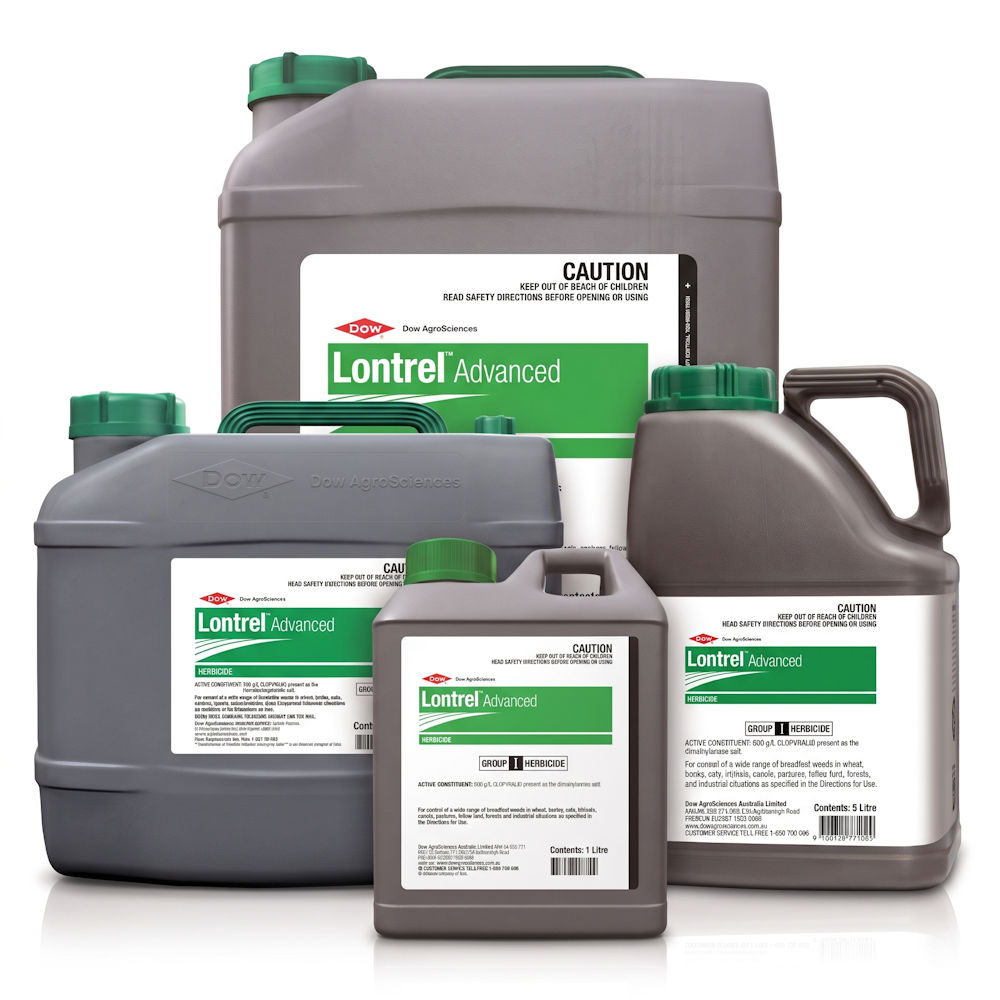
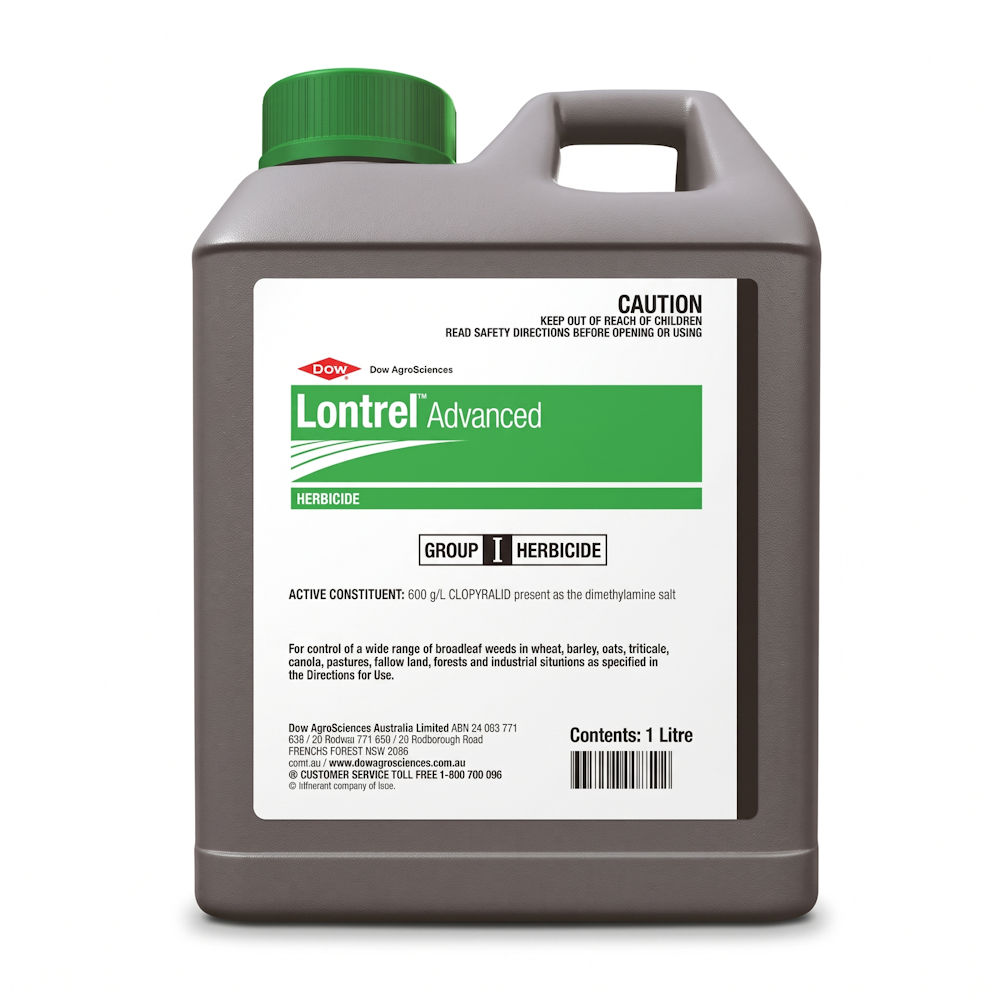
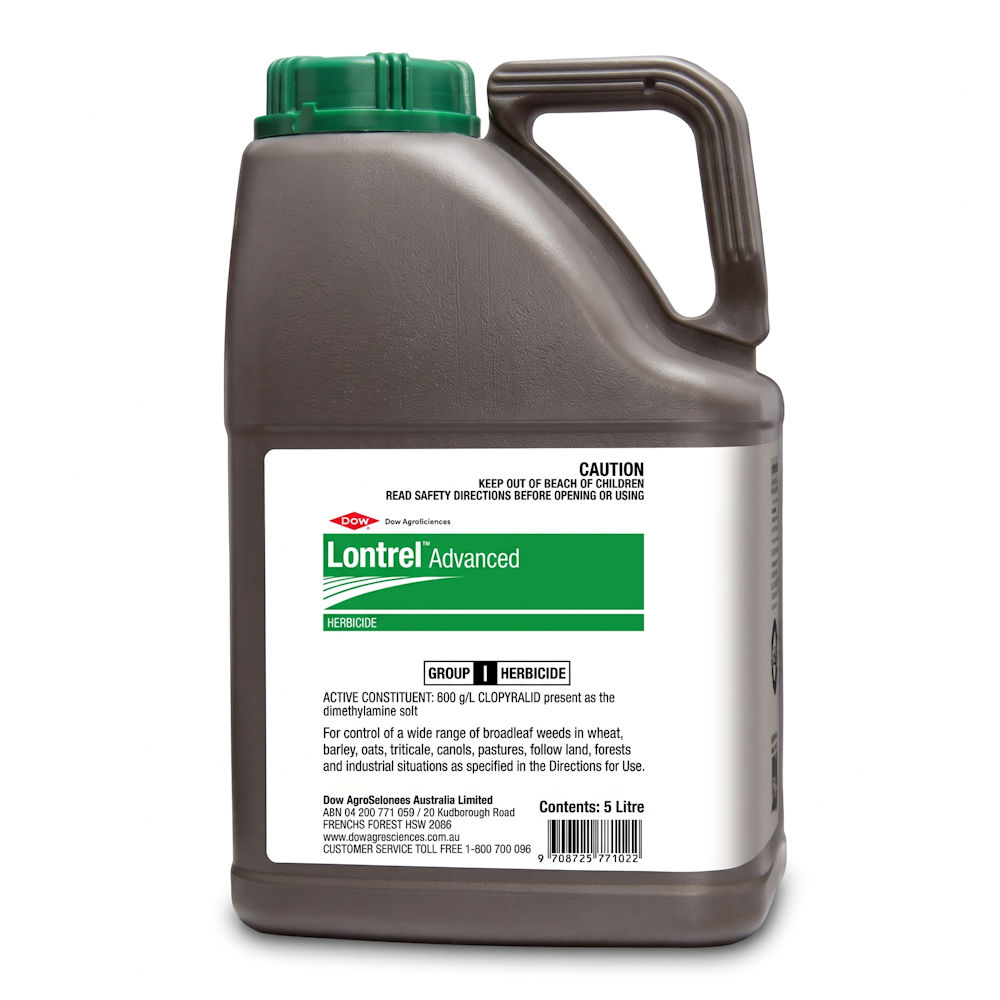
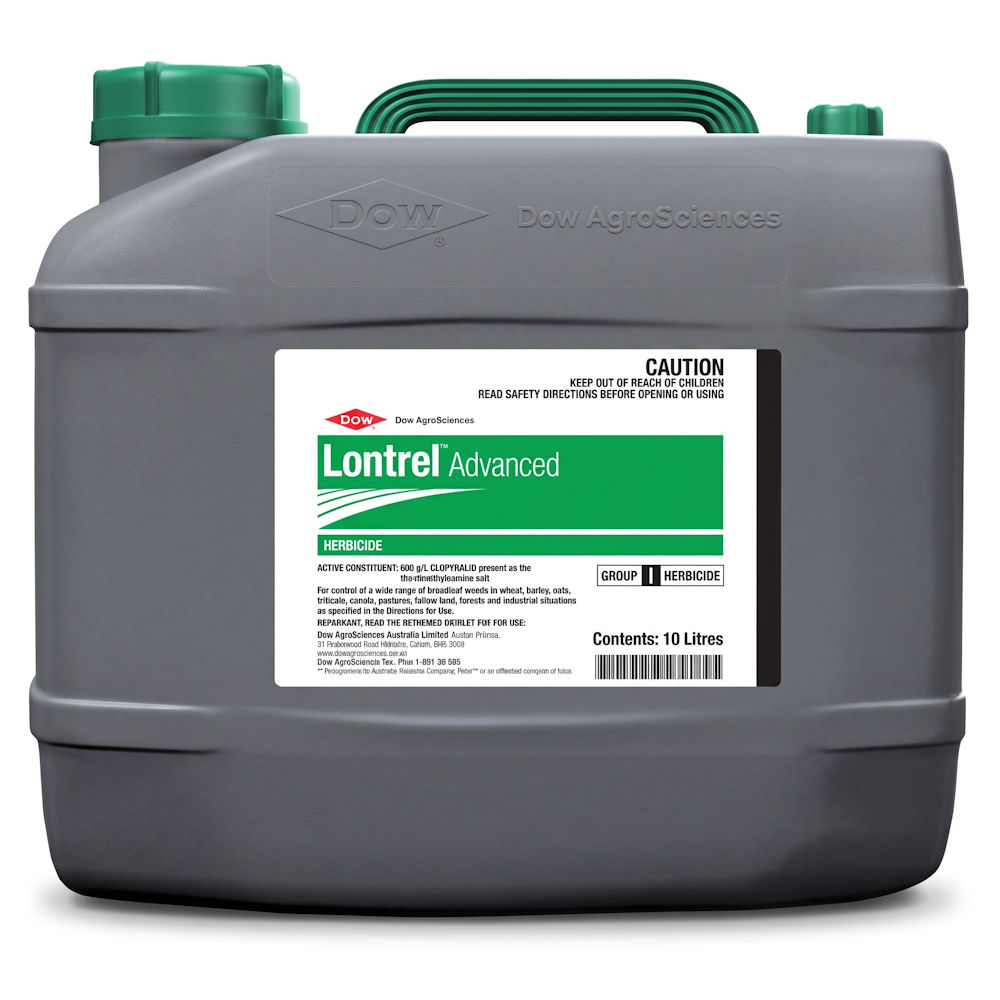
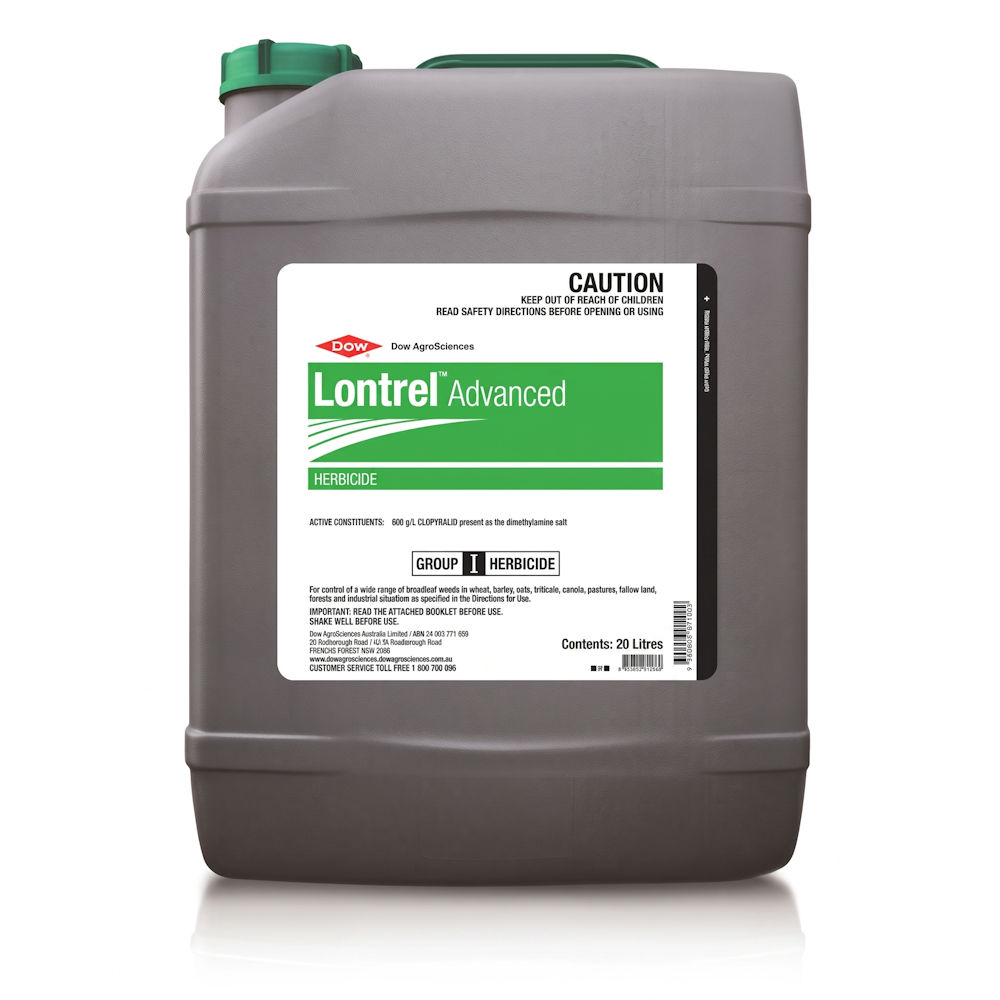
Lontrel Advanced Herbicide

Lontrel Advanced Herbicide is a 600 g/L clopyralid herbicide for broadleaf weed control in winter cereals, canola, pastures, fallow land, forests and industrial sites.

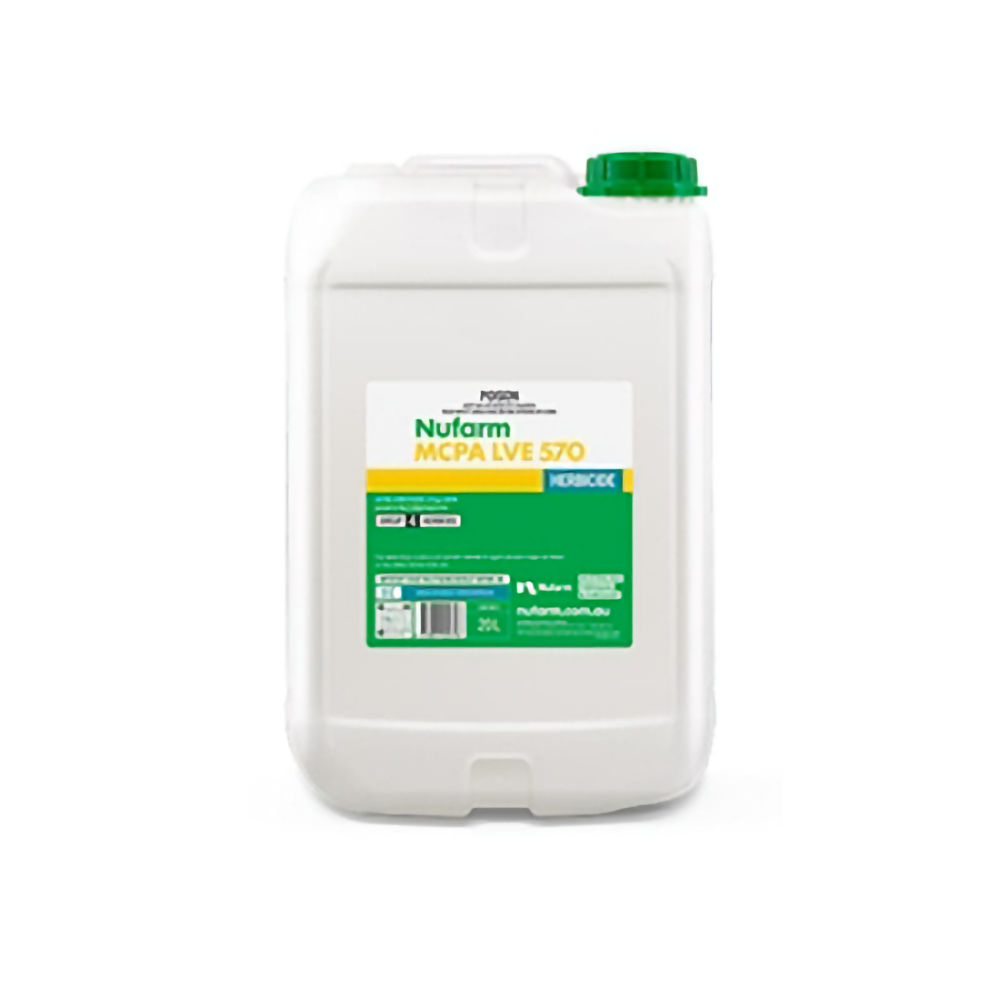
It controls thistles, capeweed, skeleton weed and volunteer legumes, and it works well in tank mixes with MCPA and 2,4-D. Growers apply it to actively growing weeds, and higher rates give residual control for several months. As a Group 4 (previously Group I) herbicide, it fits resistance management plans.

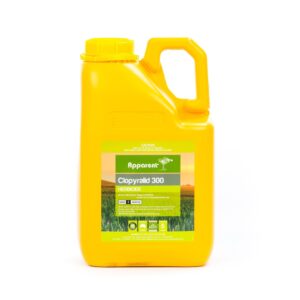
Cereals and canola are registered crops, but grain legumes, clover and lucerne are susceptible, so plan rotations carefully. Similar clopyralid products include Sabakem Clopyralid 300SL and Lontrel 750 SG.

Pack Sizes: 1 L, 5 L, 10 L, 20 L. Registrant: Corteva Agriscience Australia Pty Ltd (APVMA #: 65587/110938)

Click For Technical Info & Tips For Use
5 out of 5 (2 customers reviews)

QuantityDiscountStatus
2 or more$145.00 eachAvailable
2 or more$255.00 eachAvailable
2 or more$395.00 eachAvailable
2 or more$730.00 eachAvailable
-
+

Free & Fast Shipping

Not able to be delivered to a PO box Live remotely? Please ensure a courier can reach your address. Click here for shipping info or give us a call.

This item is dangerous and requires a courier! Ensure a courier can reach your address.
Don’t worry, shipping is STILL FREE!
Click here for shipping info or give us a call.

Ordering multiple large items? They will be shipped on a skid or pallet to ensure that your items arrive safely and securely. The delivery truck will need to be unloaded with a forklift. If you do not have a forklift, please provide an address where a forklift is present.

This item is large and requires a courier! Ensure a courier can reach your address.
Don’t worry, shipping is STILL FREE!
Click here for shipping info or give us a call.

Ordering multiple large items? They will be shipped on a skid or pallet to ensure that your items arrive safely and securely. The delivery truck will need to be unloaded with a forklift. If you do not have a forklift, please provide an address where a forklift is present.

Lontrel Advanced Herbicide LONTREL-ADVANCED Corteva

Description

Lontrel Advanced Herbicide controls broadleaf weeds in wheat, barley, oats, triticale, canola, pastures, fallow land, forests and industrial sites. Specifically, each litre contains 600 g of clopyralid as the dimethylammonium salt. Corteva Agriscience Australia Pty Ltd has registered this soluble concentrate for thistles, capeweed, skeleton weed and volunteer legumes.

Lontrel Advanced is a Group 4 (previously Group I) herbicide that disrupts plant cell growth. Because the label covers cereals and canola, growers can treat weeds within the crop. In addition, higher rates give residual control of certain weeds for several months.

Product highlights

  • Active constituent: 600 g/L clopyralid as the dimethylammonium salt
  • Mode of action: Group 4 (previously Group I)
  • Rate range: 25 mL/ha for cereal thistle tank mixes, up to 4.25 L/ha for plantation silver wattle
  • Grazing withholding: 7 days for crops, pastures and fallow, and 14 days for Pinus radiata plantations
  • Pack sizes: 1 L, 5 L, 10 L and 20 L

How Lontrel Advanced herbicide controls broadleaf weeds

Lontrel Advanced works best on actively growing weeds. Therefore, match the rate to weed size. Small weeds need low rates, whereas large or multi-crown weeds need higher rates.

Situation Key weeds Rate guide
Winter cereals Capeweed, soldier thistle, volunteer legumes 40 to 300 mL/ha
Canola Capeweed, cotula, saffron thistle, skeleton weed 50 to 300 mL/ha
Pastures and fallow Hardhead, Californian and other thistles 25 mL/ha to 2 L/ha

Application, tank mixing and resistance management

Apply with a coarse or larger droplet size, and do not spray if rain is likely within 3 hours. Lontrel Advanced mixes with MCPA, 2,4-D amine, glyphosate and metsulfuron, among others. Resistant weeds can build up under repeated use, so rotate herbicide groups.

Frequently asked questions

Q. How long is the withholding period?

A. Do not graze or cut for stock food for 7 days after application. Pinus radiata plantations need 14 days. In cereals, do not apply later than 10 weeks before harvest.

Q. Can I sow legumes after Lontrel Advanced?

A. Not straight away, because grain legumes are very sensitive to clopyralid residues. Plantback periods run from 9 to 24 months in southern regions, depending on rate. Cereals and canola can follow at any time.

Q. What spray conditions does the label require?

A. Use a coarse or larger droplet size. Spray only in winds between 3 and 20 km/h, and never during a surface inversion. Record each application within 24 hours and keep the record for 2 years.

Q. Does Lontrel Advanced harm clover and medics?

A. Yes, at the higher pasture rates. It eliminates clovers and medics for at least one year, for example, at the hardhead and Californian thistle rates. Do not use it on lucerne.

Q. Which weeds does Lontrel Advanced control in cereals?

A. It controls capeweed, thistles, skeleton weed and prickly lettuce. It also controls volunteer chickpeas, faba beans, field peas, lentils, lupins and medics. Tank mixes add control of weeds such as sowthistle.

Q. Is Lontrel Advanced comparable to Sabakem Clopyralid 300SL, Clopyralid 300 or Lontrel 750 SG?

A. Similar, but not identical. All contain clopyralid. However, concentrations differ. Lontrel Advanced contains 600 g/L, and the 300 products contain 300 g/L. Lontrel 750 SG is a 750 g/kg granule. Therefore, rates differ, so never swap by volume. Always compare both labels before you substitute.

Farm Chemical Herbicide Product Range

Features & Benefits

  • 600 g/L clopyralid: a soluble concentrate with the dimethylammonium salt
  • Controls a wide range of broadleaf weeds, including thistles, capeweed and skeleton weed
  • Registered for wheat, barley, oats, triticale and canola
  • Also registered for pastures, fallow land, forests and industrial sites
  • Controls volunteer chickpeas, faba beans, field peas, lentils, lupins, medics and vetch in cereals and canola
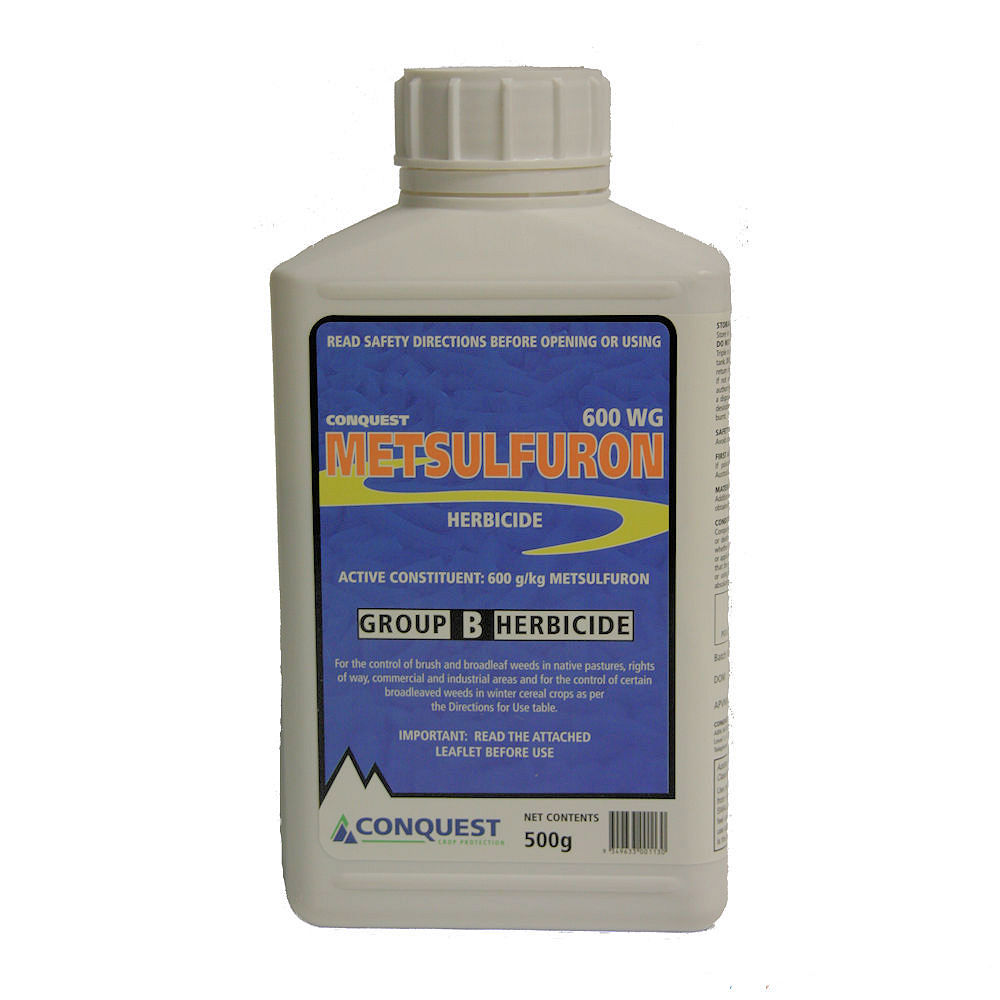
  • Mixes with MCPA, 2,4-D amine, glyphosate, metsulfuron and many other herbicides
  • Higher rates give residual control of certain weeds for several months
  • Group 4 (previously Group I) herbicide for resistance management planning

Share your thoughts!

5 out of 5 stars

2 reviews

Let us know what you think...

What others are saying

  1. Brian Purdon

    Cape weed in wheat

    Brian Purdon

    Works very well with a little surfactant. Big Cape problem in wheat paddock. Cape weed can grow quick in warm weather. Gets to big for other chemicals to kill. Been us in my lonterel for 20 years.

    Upvote if this was helpful (0) Downvote if this was not helpful (0) Flag for removal

    Something wrong with this post? Thanks for letting us know. If you can point us in the right direction...

  2. Rom

    Lontrel = Napalm

    Rom

    I have used this product on California and Scottish Thistle infestations using hand sprayer application. Dye and surfactant helps target and increases effectiveness. Wear protective gear as directed.

    Results are spectacular. 24 hrs after spraying even well established large thistles exhibit obvious and significant damage, making mopping up of missed weeds a simple task. 48 hrs after spraying weeds are completely terminal and underlying native foliage is unaffected. Looks as though napalm has detonated inside the plant. Brilliant results

    Upvote if this was helpful (0) Downvote if this was not helpful (0) Flag for removal

    Something wrong with this post? Thanks for letting us know. If you can point us in the right direction...

×

Welcome back

Existing account holders please login below via Email or Google Account or Click here to register your NEW FREE ACCOUNT.

Already Registered? Sign in with your email
Register for an account

Secure Checkout

You can shop with Specialist Sales online store with confidence. We have partnered with PayPal, Master and Visa Card which is provided by Braintree. Braintree payment technology accepts credit cards and electronic payments safely and securely for our customers.

Braintree transactions are processed using the 3D Secure framework to ensure your sensitive customer information and credit card processing is safe and secure. Similarly, PayPal also provides comprehensive buyer protection for your peace of mind.

Your information is safe

Specialist Sales adheres to strict industry standards for payment processing, using industry leading security protection measures including 128-bit Secure Sockets Layer (SSL) technology for secure Internet Protocol (IP) transactions, and compliance with the Payment Card Industry Data Security Standard (PCI DSS).

Continue as a Guest

Directions Of Use

Click here for Lontrel Advanced Herbicide directions for use

General instructions

  • Apply to actively growing weeds, and select the rate to suit weed size.
  • Use at least a coarse spray through accurately calibrated equipment, in 50 to 100 L of water per hectare by boom.
  • Use 200 to 250 L of water per hectare for hardhead thistle, and 150 to 200 L per hectare for silver wattle.
  • For aerial application, use at least 20 L of water per hectare and a coarse spray.
  • Mix only enough spray for immediate use.

Dose rate guide

Situation Weed or purpose Rate guide
Winter cereals, pre-sowing Capeweed, volunteer legumes, vetch 75 mL/ha plus a knockdown herbicide
Winter cereals and canola, post-sowing pre-emergence Capeweed, volunteer faba bean, sub clover 150 to 300 mL/ha
Winter cereals and canola, post-emergence Capeweed, thistles, volunteer legumes, skeleton weed 40 to 250 mL/ha
Pastures and fallow land Thistles, hardhead thistle, fleabane 25 mL/ha to 2 L/ha
Forests, post-planting Capeweed, thistles, fleabane, silver wattle 250 mL/ha to 4.25 L/ha
Industrial and commercial, boom Capeweed, thistles, fleabane, volunteer legumes 250 mL/ha to 3 L/ha

Rates are label ranges only. Read the full crop, weed and rate tables on the label before you mix.

Re-treatment interval

  • Do not apply more than one application per crop.

Critical comments

  1. It is essential to select a rate appropriate to weed size. Best results come when weeds are actively growing.
  2. The pre-sowing rate of 75 mL/ha should only be used in a tank mix with Spray.Seed or glyphosate.
  3. Rates of 150 to 300 mL/ha before crop emergence give good suppression (150 to 250 mL/ha in canola). Use 300 mL/ha for good control of capeweed and sub clover.
  4. Apply pre-emergence treatments to moist soil, close to the time of major weed germination.
  5. Faba beans and lupins will only be suppressed.
  6. Do not use on lucerne in pastures. Clovers and medics will be eliminated for at least one year.
  7. Do not spray flowering thistles. Treat thistles from the rosette stage, before stem elongation.
  8. Where thistles are over 20 cm across, use Lontrel Advanced plus MCPA instead of the nodding thistle rate.
  9. Add a wetter such as BS1000 at 0.2% v/v for Californian thistle in pastures. Regrowth usually needs retreatment the following year.
  10. Lontrel Advanced can damage Acacia species. Consult the registrant before using it in forests where Acacia is a significant component.
  11. In Clearfield canola, do not exceed 75 mL/ha, as reduced control of grass weeds may occur.

Rates are a general guide only. Before opening, carefully read Lontrel Advanced Herbicide directions for use, precautionary and protection statements, storage and disposal, safety directions and first aid instructions. The product is designed for the particular purpose indicated on the label. Failure to use the product strictly as directed may be illegal and dangerous, and may render the product ineffective.

Questions and answers from customers

    Is Lontrel Advanced Herbicide safe to use on dichondra lawns?

  1. Q Is Lontrel Advanced Herbicide safe to use on dichondra lawns?
    Asked by Gundi on May 12, 2026 2:32 pm
    Answered by the admin

    Lontrel Advanced is not registered for use in lawns or turf situations. Its APVMA-registered label covers broadleaf weed control in winter cereals, canola, pastures, fallow land, forests, and industrial/commercial situations only — there is no lawn registration. Dichondra (Dichondra repens) is also a broadleaf plant, meaning it would be susceptible to damage from clopyralid-based products. For broadleaf weed control suitable for dichondra lawns, we recommend browsing our turf and domestic herbicide range or contacting us at [email protected] for a product recommendation.

  2. What is the waiting period before I am able to plant Australian native tube stocks after using Lontrel Advanced Herbicide? Can I add Simazine (pre-emergent), Verdict (grass selective) and Uptake Oil together so that I can target grasses as well as put a pre-emergent in place for any weeds that may come up in the coming months over winter (June - August)?

  3. Q What is the waiting period before I am able to plant Australian native tube stocks after using Lo...... Read more
    Asked by Kym Atkinson on February 5, 2024 4:06 pm
    Answered by the admin

    Unfortunately, the label for Lontrel Advanced Herbicide does not list the plantback period for native species. The manufacturer (Corteva) may have data on this particular situation and can be contacted on 1800 700 096 for clarification. Verdict 520, Lontrel, Uptake Oil and Simazine are all listed as compatible products in tank mixes.

  4. What physical form is Lontrel Herbicide produced (e.g., granular or liquid)? Are there pros and cons for each formulation?

  5. Q What physical form is Lontrel Herbicide produced (e.g., granular or liquid)? Are there pros and c...... Read more
    Asked by Peter on January 29, 2024 12:56 pm
    Answered by the admin

    Lontrel Herbicide is available as a liquid concentrate (Lontrel Advanced Herbicide) and a soluble granule (Lontrel 750 SG Herbicide). Both products contain the active ingredient Clopyralid and must be diluted with water before applying as a spray. Whether to use a liquid concentrate or SG formulation depends on the end user. The granules are popular as they are easy to handle and do not have plastic containers to dispose of.

Send me a notification for each new answer.

Disclaimer: This information and product advice is not intended to be advice or recommendations for any specific use or circumstance. You should seek specialist advice before using any product. Always follow the manufacturer’s guidelines. Specialist Sales liability is limited.

Host & Pest

Host Pest
Host & Pest
Barley, Oats, Triticale, Wheat Capeweed, Nodding Thistle, Prickly Lettuce, Saffron Thistle, Scotch Thistle, Skeleton Weed, Slender, Shore Or Sheep Thistle, Soldier Thistle, Spear Or Black Thistle, Stemless Thistle, Variegated Thistle, Volunteer Chickpea, Volunteer Faba Bean, Volunteer Field Pea, Volunteer Lentil, Volunteer Lucerne - Seedling, Volunteer Lupin, Volunteer Medic, Volunteer Safflower, Volunteer Subterranean Clover, Volunteer Vetch Or Tares
Barley - Prior To Sowing, Canola - Pre-Sowing, Oats - Prior To Sowing, Triticale - Prior To Sowing, Wheat - Prior To Sowing Capeweed, Subterranean Clover, Vetches, Volunteer Chickpea, Volunteer Faba Bean
Canola - Clearfield Capeweed, Common Cotula Or Carrot Weed
Canola - Post Sowing/pre-Emergence Capeweed, St Barnaby's Thistle, Subterranean Clover, Volunteer Faba Bean
Canola Oilseed Crop Capeweed, Saffron Thistle, Skeleton Weed, Soldier Thistle, Volunteer Chickpea, Volunteer Faba Bean, Volunteer Field Pea, Volunteer Lentil, Volunteer Lucerne - Seedling, Volunteer Lupin, Volunteer Medic, Volunteer Safflower, Volunteer Subterranean Clover, Volunteer Vetch Or Tares
Canola-Triazine Tolerant Only-Post Emergent Capeweed, Saffron Thistle, Skeleton Weed, Soldier Thistle, Volunteer Lupin, Weeds From Conventional Canola
Commercial Area - General, Fenceline Weed Control, Industrial Land Or Area, Rights Of Way - General Californian Thistle, Cape Ivy, Capeweed, Cat's Ear Or Flatweed, Flaxleaf Fleabane, Fleabane, Groundsel Bush, Ragwort, Silver Wattle, Skeleton Weed, Thistles, Volunteer Legume
Fallow Crop Land Weed Control Californian Thistle, Creeping/russian Knapweed, Hardhead, Lucerne, Nodding Thistle, Saffron Thistle, Scotch Thistle, Slender, Shore Or Sheep Thistle, Spear Or Black Thistle, St Barnaby's Thistle, Variegated Thistle
Forest Californian Thistle, Cape Ivy, Capeweed, Cat's Ear Or Flatweed, Flaxleaf Fleabane, Groundsel Bush, Ragwort, Skeleton Weed, Sorrel - Suppression, Thistles, Volunteer Legume
Forestry - Pre-Planting Capeweed, Cat's Ear Or Flatweed, Flaxleaf Fleabane, Fleabane, Silver Wattle - Suppression, Thistles, Volunteer Legume
Pasture Californian Thistle, Creeping/russian Knapweed, Hardhead, Flaxleaf Fleabane, Groundsel Bush, Lucerne, Nodding Thistle, Saffron Thistle, Scotch Thistle, Silver Wattle, Slender, Shore Or Sheep Thistle, Spear Or Black Thistle, St Barnaby's Thistle, Variegated Thistle
Pinus Plantation - Pinus Radiata Silver Wattle
Right-Of-Way - General Flaxleaf Fleabane, Groundsel Bush
Winter Cereal - Post Emergence Capeweed, Nodding Thistle, Prickly Lettuce, Saffron Thistle, Scotch Thistle, Skeleton Weed, Slender Or Shore Thistle - Seedling, Sowthistles, Spear Or Black Thistle, St Barnaby's Thistle, Stemless Thistle, Thistles, Variegated Thistle, Volunteer Chickpea, Volunteer Faba Bean, Volunteer Lupin, Volunteer Medic, Volunteer Subterranean Clover, Volunteer Vetch Or Tares

Tips For Use

Restraints

  • Do not apply to weeds stressed by prolonged extreme heat or cold, moisture stress or previous herbicide treatment, as reduced control may result.
  • Do not apply later than the 8-leaf stage of canola.
  • Do not compost material from treated plants or crops before reading the protection of crops, native and other non-target plants section.
  • Do not spray if rain is likely within 3 hours.
  • Do not apply more than one application per crop.
  • Do not apply with spray droplets smaller than a coarse droplet size category.
  • Do not apply when wind speed is less than 3 or more than 20 kilometres per hour at the application site.
  • Do not apply during surface temperature inversion conditions.
  • Make an accurate written record of each spray application within 24 hours and keep it for at least 2 years.

Mixing instructions

  • Quarter-fill the spray tank while maintaining agitation.
  • Add any wettable powders or dry flowable formulations with continuous agitation, and make sure they dissolve completely.
  • Add Lontrel Advanced, then add water to half-fill the tank.
  • Add other suspension concentrates, aqueous concentrates and emulsifiable concentrates.
  • Add Uptake Spraying Oil or BS1000 when the tank is three-quarters full.
  • Add water to reach the final spray volume.
  • Mix only sufficient spray solution for immediate use and avoid storing it.

Compatibility

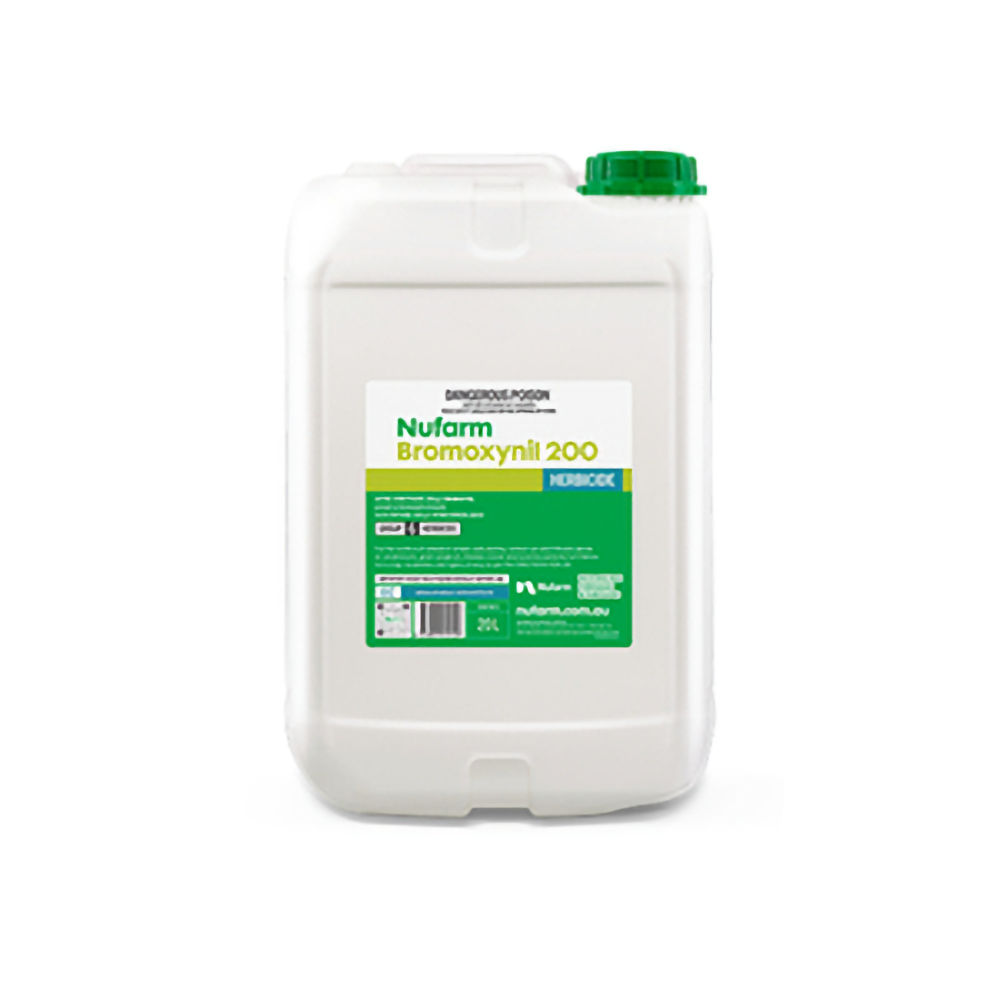
  • The label lists these broadleaf herbicides as compatible: 2,4-D amine, atrazine, bromoxynil, chlorsulfuron, diuron, MCPA amine, LVE MCPA, metsulfuron, simazine and Spray Seed.
  • The label lists glyphosate and paraquat as compatible broad-spectrum herbicides.
  • The label lists BS1000, Uptake Spraying Oil and Pulse as compatible adjuvants.
  • In conventional canola, Lontrel Advanced, Verdict 520 and Uptake Spraying Oil are compatible and selective.
  • For forestry tank mix partners, consult the registrant.

Protection of crops, native and other non-target plants

  • Do not apply under weather conditions, or from spraying equipment, that may cause spray drift onto nearby susceptible plants, crops, cropping lands or pastures.
  • Do not apply to crops or pastures that will be used to make compost, mulch or mushroom substrate.
  • Susceptible plants include chickpeas, clover, cotton, faba beans, field peas, fruit trees, lentils, lupins, lucerne, medics, ornamentals, potatoes, safflower, tomatoes, vegetables, grape and kiwifruit vines, vetches and wattles.
  • Do not sow field peas, faba beans, lentils or vetches the season after an application at 250 mL/ha.
  • Spread crop straw evenly at harvest and incorporate, bale, slash or burn stubble (where legal) as soon as practical.
  • In the north, susceptible crops need 100 to 150 mm of rain or irrigation before plantback. In the south, they need a 25 mm rain event and two weeks of moist soil.

Protection of livestock

  • Do not graze or cut treated crops for stock food except as specified under withholding periods.

Protection of wildlife, fish, crustaceans and the environment

  • Lontrel Advanced has low toxicity to fish, birds, honey bees, livestock, earthworms and aquatic organisms.
  • Do not contaminate streams, rivers or waterways with chemical or used containers.
  • Avoid release to the environment.

Storage

  • Store in the closed, original container in a cool, well-ventilated area which is securely locked.
  • Do not store for prolonged periods in direct sunlight.
  • Do not store near food, feedstuffs, fertilisers or seed.
  • Triple or pressure rinse 5, 10 and 20 L containers, add the rinsate to the spray tank and deliver clean containers to a drumMUSTER collection site.
  • Rinse 1 L containers and add the rinsings to the spray tank.
  • Do not burn empty containers or product.

Safety directions

  • May irritate the eyes, nose and throat. Avoid contact with eyes.
  • Do not inhale the spray mist.
  • When opening the container and preparing spray, wear cotton overalls buttoned to the neck and wrist (or equivalent clothing), elbow-length chemical-resistant gloves and a disposable dust face mask covering mouth and nose.
  • If applying by hand, wear the same protective clothing.
  • Wash hands after use.
  • After each day’s use, wash gloves and contaminated clothing.

First aid

  • Skin contact: take off contaminated clothing and rinse skin with plenty of water for 15 to 20 minutes.
  • Eye contact: hold eyes open and rinse slowly and gently with water for 15 to 20 minutes.
  • Inhalation: move the person to fresh air.
  • If poisoning occurs, contact a doctor or the Poisons Information Centre. Phone Australia: 131 126.
  • For further information, refer to the Safety Data Sheet (SDS).

This information and product advice are not intended as advice or recommendations for any specific use or circumstance. You should seek specialist advice before using any product. Always follow the manufacturer’s guidelines. Specialist Sales’ liability is limited.

Withholding Period

Withholding Period Details (WHP):

  • Pastures, fallow, industrial and commercial: Do not graze or cut for stock food for 7 days after application.
  • Cereals and canola: Do not graze or cut for stock food for 7 days after application.
  • Cereals (harvest): Do not apply later than 10 weeks before harvest.
  • Canola (harvest): Not required when used as directed.
  • Forests, except Pinus radiata plantations: Do not graze for 7 days after application.
  • Pinus radiata plantations: Do not graze for 14 days after application.

SDS & Technical

Lontrel Advanced Herbicide Label Download Pdf
Lontrel Advanced Herbicide Label (APVMA) Download Pdf
Lontrel Advanced Herbicide SDS Download Pdf
Lontrel Advanced Managing Residues TechSheet Download Pdf

Related Products