Tips For Use
General Instructions:
- It is essential to select a rate appropriate to weed size.
- The best results will be obtained when weeds are actively growing at treatment.
Restraints:
- Do not apply to weeds that may be stressed (not actively graving) due to prolonged periods of extreme heat or cold, moisture stress (water-logged or drought-affected) or previous herbicide treatment, as reduced levels of control may result.
- Do not sow susceptible crops (see protection of crops on directions of use) for nine months following any application up to 300mL/Ha or for twelve months following an application in excess of 300mL/Ha and up to 500mL/Ha
- Field peas should not be sown the season following an application of 500ml/Ha where rates in excess of 500mL/ha have been used. Susceptible crops, including field peas, should not be sown for at least two years.
- Do not spray if rain is likely within 3 hours.
Compatibility:
Sabakem Clopyralid 300SL Selective Herbicide is compatible with the following herbicides;
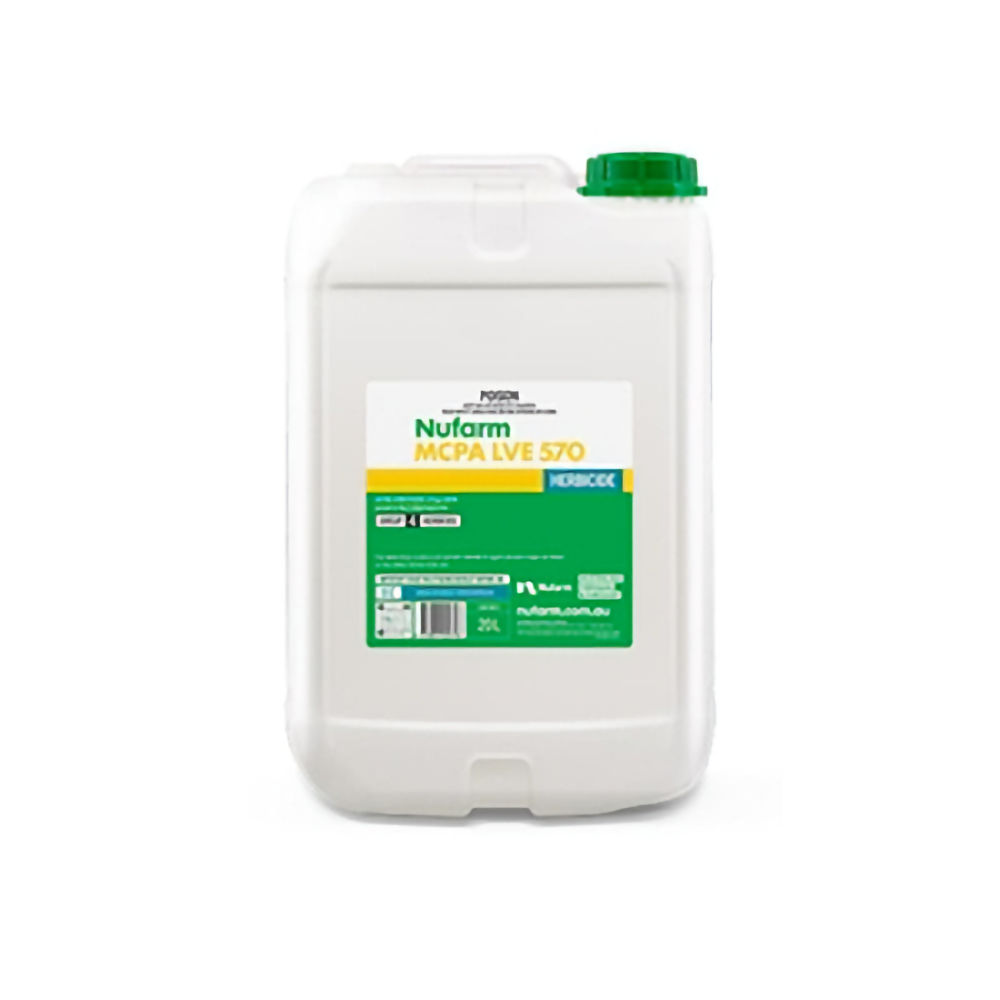
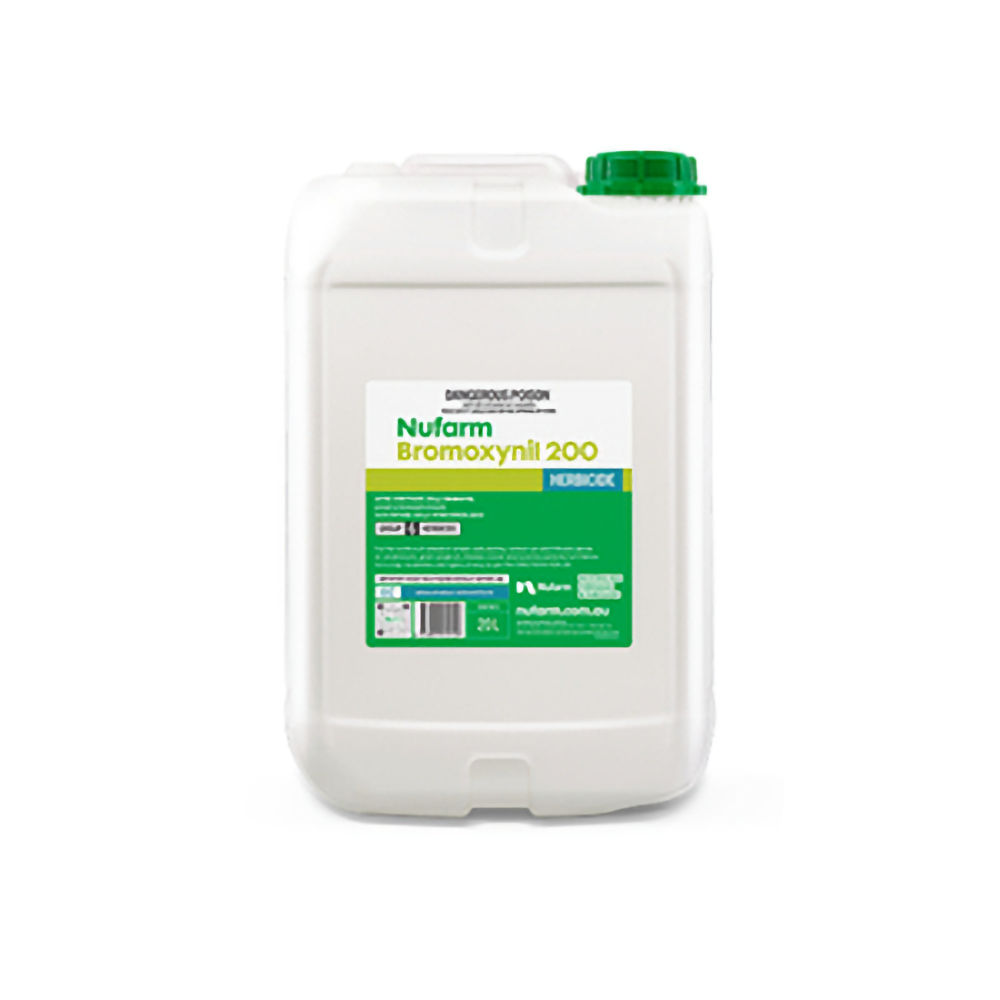
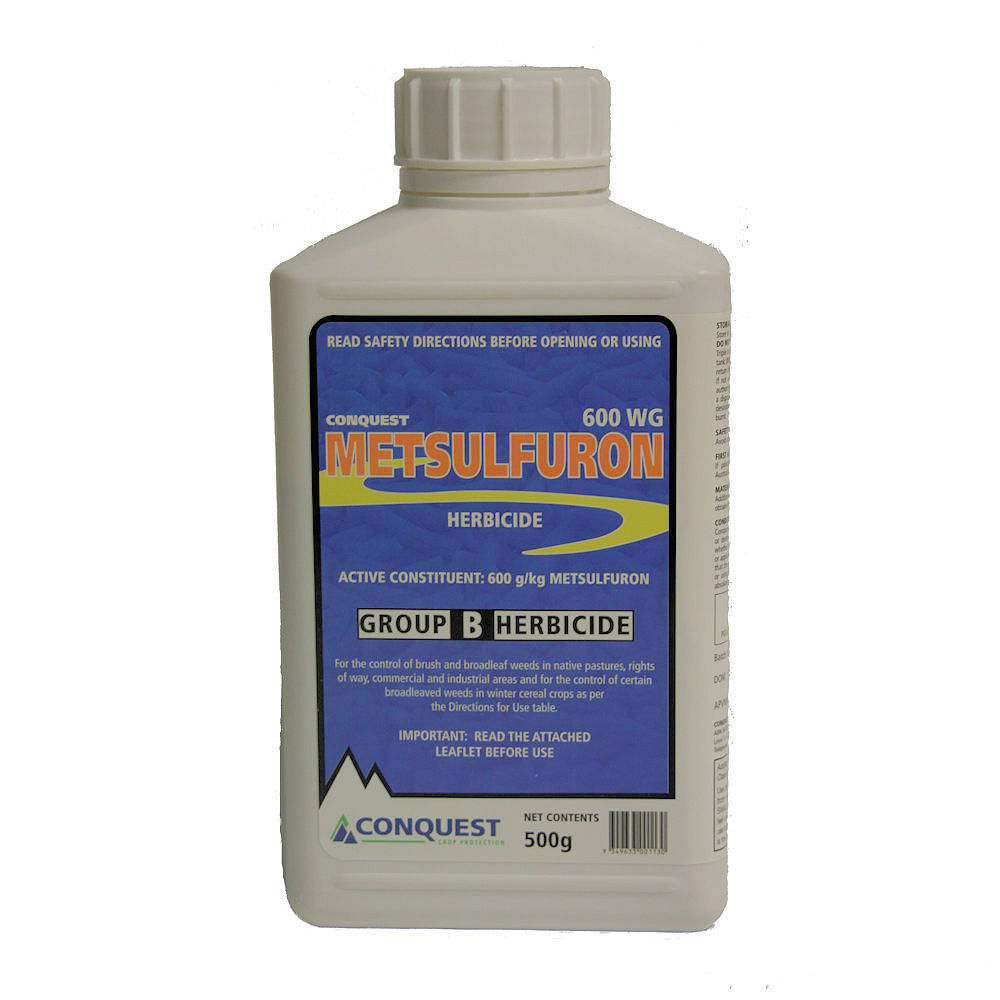
- Broadleaf Herbicides: Fluroxyypyr 200 (Starane), metsulfuron methyl, bromoxynil, chlorsulfuron, diuron, glyphosate, MCPA amine, MCPA LVE, paraquat, Paraquat/Diquat, terbutryn, 2,4-D arrine.
- Grass Herbicides in Cereal Crops: Diclofop-Methyl, Grasp, Puma (Grasp and Puma for Wild Oat Control Only).
- Grass Herbicides on Broadleaf Crops: Haloxyfop
Application:
Boom Spraying Crop and Pastures: Apply Sabakem clopyralid 300 sl selective herbicide in sufficient water to obtain good coverage. It should be applied by an accurately calibrated ground rig or aircraft, delivering 200 to 300-micron droplets and not less than 50 L/ha water volume for boom sprayers or not less than 20 l/ha for aerial applications.
- Hardhead Thistle: Use a Spray Volume of 200 to 250 L/ha of Water.
- Silver Wattle: use a spray volume of 150 to 200 L/ha of water by ground boom spray and a maximum spray volume of 50 L/ha by aircraft.
High Volume Hand Gun:
- Apply the recommended mix to give full coverage of leaves and stems through a no. 6-8 tip at 700 to 1500 k pa. spray volume for effective coverage of dense two (2) metre high silver wattle should be 30 to 40 litres of spray per 100m2(10m x 10m) of infestation.
- For larger areas an equivalent would be 3000 to 4000 litres per infested hectare.
Protection of Crops, Native and Other Non-Target Plants:
- Do not apply Sabakem clopyralid 300 SL selective herbicide to crops or pastures that are to be used for the production of compost or mulches for use with susceptible crops or plants.
- The use of straw, hay or other plant material treated with Sabakem clopyralid 300 SL selective herbicide for composting or mulching susceptible crops may damage these crops.
- Susceptible crops include chickpeas, cotton, faba beans, field peas, fruit trees, lentils, lupins, lucerne, medics, ornamentals, potatoes, safflower, sub-clover, tomatoes, vegetables, vines, wattles and white clover.
- Do not allow spray drift onto susceptible crops
Protection of Livestock:
- Do not graze or cut treated crops for stock food except as specified under withholding periods.
Protection of Wildlife, Fish, Crustaceans and The Environment:
- Low toxicity to fish, birds, honey bees, livestock, earthworms and aquatic organisms.
- Do not contaminate dams, rivers, drains or streams with chemical or used containers.
Storage:
- Store in the closed, original container in a cool, well-ventilated area
- Do not store for prolonged periods in direct sunlight.
- Do not store near feedstuffs, fertilisers or seeds.
Safety Directions:
- It may irritate the eyes and skin.
- Avoid contact with eyes and skin.
- Do not inhale spray mist.
- When preparing the spray, wear elbow-length PVC gloves and face shield
- After each day’s use and before eating, drinking or smoking, wash hands, arms and face thoroughly with soap and water.
- After each day, wash gloves, face shield and contaminated clothing.
First Aid:
- If poisoning occurs, contact a doctor or the poison information centre. Phone Australia 131 126.
- For further information, refer to the Safety Data Sheet (SDS).
This information and product advice is not intended as advice or recommendations for any specific use or circumstance. You should seek specialist advice before using any product. Always follow the manufacturer’s guidelines. Specialist Sales liability is limited.
Withholding Period
Withholding Period Details: (WHP)
- Pasture: Do not graze or cut treated pastures for stock feed for 7 days after application of rates of 4l/ha or less.
- Cereals: Do not graze or CT-treated cereals for stock feed for 4 weeks after application if the rate is in excess of 300mL/ha.
- Canola: Do not harvest, graze or cut for stock feed earlier than 12 weeks after application.









What others are saying
There are no contributions yet.