



Why was diazinon phased out for use in Australia?
Table of Contents
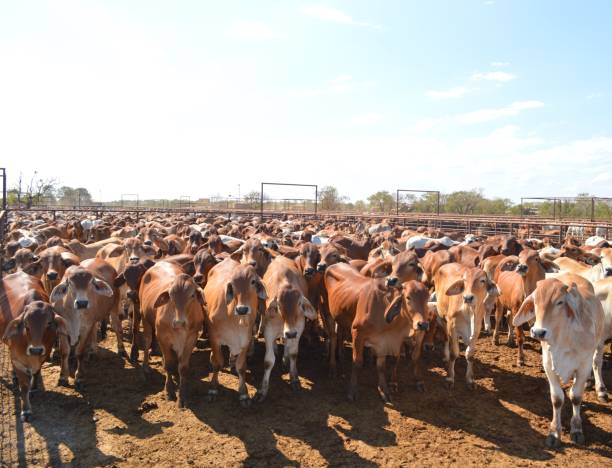
For many decades, diazinon – a broad-spectrum organophosphate insecticide – was a trusted, essential product used by producers and farmers to control pests around livestock, horticulture, and households.
However, in recent years, the safety of products containing diazinon has come into question by the Australian Pesticides and Veterinary Medicines Authority (APVMA). Following a partial ban in 2024, this active ingredient was completely phased out in September 2025, which involved the cancellation or variation of a number of diazinon-based products.
This ban created myriad issues for primary producers, forcing them to find alternative solutions to combat common parasites like buffalo fly. This guide details the reasons for the ban, the effects for producers, and importantly, what to do when facing buffalo fly risk – including alternative products and top tips for implementing an integrated pest management strategy.
Why diazinon was recalled from the Australian market
As of September 10, 2025, approval across most of diazinon’s formerly registered uses has been revoked. This decision was based on a balance of risk versus benefit, with a number of issues driving the cancellation. These include:
- Risks to handlers: The APVMA found that many diazinon uses posed unacceptable risks to the people handling the chemical, including neurotoxic effects associated with organophosphates (OPs).
- Inadvertent human exposure: Uses in household pest control and around homes raised concerns over unintended exposure to the chemical, particularly from residues in living areas, as well as drift.
- Trade non-compliance: Lower international maximum residue limits (MRLs) for diazinon, or the withdrawal of previously permitted residues in export markets, meant that continued use in the Australian context put livestock producers at risk of trade non-compliance.
- Toxicity to other animals: Diazinon is highly toxic to birds, bees, and aquatic invertebrates. Spray drift, runoff, and residual exposure threatened ecosystems – this was another key factor in APVMA’s decision-making process.
It’s essential to note that this is not a blanket chemical ban, and some limited, narrowly defined uses may still be supported under revised conditions by the APVMA.
Following the APVMA decision, many industry groups and manufacturers launched an appeal, stating that losing diazinon-based products created further constraints around chemical rotation when treating buffalo fly and tick in cattle, and flystrike and lice in sheep.
However, as the official regulatory body, the APVMA emphasised that its role is not to create new chemicals or ensure that industry has new products, but rather, to approve or deny products based on safety, trade, and overall efficacy. Thus, the ban has been maintained.
Consequences for primary producers
As a result of the APVMA ban, many diazinon-based products – such as dips, backliners, insecticidal ear tags for cattle, and horticultural sprays – are no longer available for use in Australia. In the sheep and wool industry, many insecticidal treatments used to control blowflies and lice are also prohibited from sale.
This adds more strain to an already-limited industry, wherein there are few products designed to manage common animal health concerns in resistant populations.
Why is buffalo fly a problem for cattle producers?
Perhaps the most directly affected by the diazinon ban are those attempting to control buffalo fly (Haematobia irritans exigua). This biting fly is native to northern Australia, and feeds repeatedly on cattle, causing irritation, stress, rubbing, lesions, hide damage, reduced feedings, and declines in weight gain or milk production.
Without diazinon, producers must look to other control methods to ensure their herd remains protected against buffalo fly’s devastating effects.
Learn more about controlling buffalo fly and how to avoid resistance in your herd.
Adopting an integrated pest management approach for buffalo fly
Amidst this ban, the Department of Primary Industries (DPI) Queensland are urging livestock producers to adopt an integrated pest management (IPM) system to combat buffalo fly.
Issues like resistance to active ingredients, long-term efficacy, environmental constraints, and labour costs are all important factors to consider when managing fly numbers in your herd. Even without diazinon, control can still be achieved by combining chemical, biological, behavioural, and environmental strategies to reduce fly burdens.
The key strategies to adopt include:
- Regular monitoring of fly populations.
- Threshold-based treatments where treatment is only administered when fly numbers exceed pre-defined numbers.
- Rotation of chemical actives to slow resistance, especially if resistance is already present in your area or herd.
- Use of non-chemical tools like dung beetles, fly traps, grazing management, or biological control.
- Self-treatment strategies like back rubbers and insecticidal ear tags, particularly during peak season. These can be removed when pressure has eased and numbers have dropped to avoid resistance.
- Proper timing and placement of treatments (e.g., aligning with fly season onset, removing old ear tags).
- Coordinating treatments with neighbouring properties to reduce numbers and avoid reinfestation.
What alternative buffalo fly treatments are available?
Even amidst the diazinon ban, treatments for buffalo fly are still available, including pour-ons, back rubs, and insecticidal ear tags. Each product has its strengths and weaknesses.
Our customers tend to adopt a combination of these products depending on their location, herd size, property layout, labour constraints, and fly pressure.
Pour-on treatments
How they work
Pour-on treatments are liquid insecticide formulations applied along the backline of cattle. Their active compounds may act systemically (absorbed into the bloodstream) or spread laterally across the coat via the animal’s natural oils, providing both contact and internal activity.
Some products only have a knockdown effect, and so, will treat both internal and external parasites. These products often contain ingredients like ivermectin, moxidectin, abamectin, and doramectin, and with a treatment period of between 14 and 21 days.
Other options contain permethrin or fluralaner to control buffalo fly for up to 21 days, and some include prevention against cattle tick. Some pour-ons also include synthetic pyrethroids or combinations of actives (depending on label approval) with varying degrees of coverage.
Benefits of pour-ons
- Ease and speed of application: Because pour-ons are directly applied once along the back, they are less labour-intensive than whole-body sprays.
- Scalability for large herds: They are well-suited for extensive operations and can be administered quickly in handling facilities.
- Rapid knockdown: Many pour-on treatments offer fast control of existing fly loads, giving swift relief to animals.
- Multi-parasite control: Some pour-ons also treat internal parasites, lice, and ticks, providing dual action (especially with macrocyclic lactones).
- Innovative chemistries: Newer molecules (like fluralaner) provide fresh modes of action, which are valuable in resistance management.
Limitations of pour-ons
- Shorter residual protection: Typically, protection is effective for between 14 and 21 days, depending on the active ingredient and environmental factors.
- Need for repeated applications: Over a prolonged fly season, multiple re-treatments may be needed, increasing time and cost.
- Risk of resistance: Over-reliance on a single active ingredient can accelerate resistance in buffalo fly populations.
- Effect of environment or misapplication: Rainfall, dilution, wash-off, or uneven application (such as under-dosing or skipping areas) can significantly reduce pour-on efficacy.
- Withholding or export slaughter intervals (ESI): Producers must observe label-specified intervals between treatment and slaughter to avoid residue infringements.
Considerations
Pour-ons are often used early in the fly season or as top-ups between longer-acting options like insecticidal ear tags.
Insecticidal ear tags
How they work
Ear tags impregnated with insecticide work by continuously releasing small amounts of an active ingredient at a time, which then spreads across the animal’s body via its natural oils. When flies come into contact with the coat, they receive a lethal dose of the insecticide.
For the 2025–26 season, only two ear tag systems are available in most regions:
- Cylence Ultra (SP): A two-tag system with synthetic pyrethroid chemistry.
- Y-Tex Agressor (ML): A two-tag system using macrocyclic lactone chemistry.
Benefits of insecticidal ear tags
- Long-term control: Some tags offer protection for 3 to 4 months, reducing treatment frequency.
- Reduced handling and chemical exposure: Once tags are applied, cattle don’t need frequent re-treatment, lowering labour and operating costs.
- Integration with other procedures: Tags can be applied during routine handling or marking (e.g., vaccination, ear marking) to streamline workflows.
- Consistent release: As slow-release systems, tags maintain insecticide levels over time, smoothing fluctuations in control.
Limitations of insecticidal ear tags
- Loss or incorrect tagging: Tags may fall out or be misplaced. If only one tag is used when two are recommended, insecticide coverage may be suboptimal, risking resistance from sub-lethal dosing.
- Diminished efficacy late in season: As the insecticide gradually depletes, control in high-pressure periods may falter.
- Need for rotation of chemistry: To avoid resistance to the active ingredient, tags must be rotated across different chemical classes. This requires diligent record-keeping and planning.
- Labour for initial tag application: Catching and tagging animals in large herds can be labour-intensive.
Considerations
In northern cattle regions, producers often rely heavily on ear tags during the peak of fly season, but with fewer tag options post-diazinon, strategic planning becomes even more critical.
Back rubbers and self-treatment rub devices
How they work
Back rubbers and rub devices are passive, self-applied systems. Typically, absorbent materials like burlap or felt are soaked in an oil-based insecticide and suspended in areas where cattle frequently pass, such as feeding troughs, water points, and gateways. When cattle rub against them, the insecticide transfers onto their coats.
Common products include:
- Exiguard: Formulated with chlorfenvinphos and registered for use in back rubbers in specific Australian states.
- Supona: Formulated with organophosphate for use in back rubbers.
- Cattle coat oils with deodorant: Often employed in organic operations as a ready-to-use, organic solution to deter flies and reduce stress and irritation in livestock.
- Backrubs: A tool used to apply fly control solutions to livestock. Fly control is poured onto the backrub after initial soaking. Stock then treat themselves on demand, resulting in effective buffalo fly control.
Benefits of back rubbers and rub devices
- Labour costs reduction: Because cattle treat themselves, direct chemical application to individual cattle is minimised. In addition, multiple animals can be treated passively without needing to muster.
- Continuous exposure: As cattle rub regularly, insecticide treatment is ongoing, helping maintain control when fly numbers are high.
- Cost efficiency: Once installed and maintained, back rubs can be more cost-effective per animal than frequent spray applications.
Limitations of back rubbers and rub devices
- Regular maintenance required: Back rubbers must be replenished with insecticide periodically to remain effective.
- Placement: To ensure cattle use them, devices must be located in high-traffic areas (e.g., along pathways to feed or water).
- Uneven usage: Some animals may not rub (especially timid or less dominant ones), leading to inconsistent coverage across the herd. In addition, dominant animals may monopolise rub devices, restricting access for others.
- Resistance risk: Most registered back rub insecticides are organophosphate (OP) compounds. In some Australian regions, buffalo flies already exhibit OP resistance. To mitigate this, back rubbers should be deployed only once fly pressure warrants it, and removed when pressure declines. Additionally, suboptimal use (e.g., under-saturation, infrequent refills) may accelerate resistance.
Considerations
Back rubs are often used in large operations as the primary method of self-treatment, especially where dipping or individual handling is not feasible.
The APVMA and industry guidelines emphasise integrating back rubbers with other control methods and using them only when fly numbers exceed your management threshold.
What are the best fly management strategies to adopt post-diazinon?
Given the constraints now imposed by diazinon deregistration and the evolving resistance landscape, producers must be more strategic than ever.
We suggest following this roadmap to build a sustainable, effective buffalo fly control plan.
1. Monitor and determine thresholds
Begin your season by regularly monitoring the fly populations within your herd. Use standard counts (e.g., side counts) to estimate per-animal burdens. Only commence intervention when the thresholds you have set are exceeded (e.g., >200 flies per beef animal, >30 flies in dairy).
Early on in the season, non-chemical methods like traps, dung beetles, and pasture management can support the suppression of flies before chemical treatments become necessary.
2. Start with long-duration methods
Once fly pressure begins to rise, begin to implement longer-duration tools:
- Ear tags: Apply two per animal (per label instructions) using a rotation strategy, i.e., switching chemical classes between seasons. Given the limited options now available, planning ahead is critical.
- Back rubbers: Place back rubbers well before peak fly season near watering, feeding, or rest area paths. Ensure you monitor usage and maintain saturation with recharging units. As a general rule, aim to delay back rubber activation until fly numbers warrant their implementation, and remove them when fly burdens drop to reduce selection pressure.
3. Use pour-on top-up treatments during peak pressure
During spikes in fly pressure or as control wanes late in the season, use pour-ons to bolster protection. Choose products with different active ingredients to avoid resistance, and adhere strictly to withholding and export slaughter intervals to avoid residue problems.
4. Remove or replace treatments
As the season comes to an end and fly numbers subside, gradually withdraw or discontinue treatments to reduce selection pressure. For example, remove ear tags at the end of the season, or cease charging back rubs. This rotation helps to delay resistance development.
5. Rotate chemical actives across seasons
With diazinon out of the picture, remaining options available to producers include synthetic pyrethroids, macrocyclic lactones, and isoxazolines. However, overuse of any one class may lead to resistance. Keeping records of which chemical ingredients were used and when, and rotating between seasons, is more critical than ever.
6. Integrate non-chemical options
No one chemical can do it all, which means producers must integrate their chosen insecticides with other pest management options. These include:
- Dung beetles: To break down manure and reduce fly breeding grounds.
- Fly tunnel traps: Strategic placement throughout your property can support other control methods.
- Pasture and grazing management strategies: To reduce fly habitats and interrupt life cycles.
- Genetic selection: Favour animals less susceptible to flies over time to boost immunity within your herd.
- Herd coordination: Work with neighbouring properties to synchronise treatments and reduce reinfestation risk.
- Monitoring: Review whether products are effective ongoing, check for emerging resistance, and rotate active ingredients frequently.
- Accurate record-keeping: Maintain and review results over time.
While the phasing out of diazinon represents a challenge for livestock producers, it’s still possible to manage buffalo fly burdens with careful methods like comprehensive planning, rotation of active ingredients, non-chemical aids, and products like ear tags, back rubbers, and pour-ons.
The entire cattle industry must adopt a more strategic approach to combat buffalo fly with diazinon no longer readily available. Though it’s hoped that animal health manufacturers will soon develop new, effective products to fill the gap left in the market, for now, these are the methods that work the best.
If you’re trying to address the absence of diazinon in your operations, we’re here to help. Get in touch with the Specialist Sales team to discuss options, including our recommendations for the best products to combat buffalo fly.
About the author