



Ant Control
Ants are one of the most common pests in Australia. They are found in homes, gardens, warehouses, sheds, paddocks, and crops, and thanks to their large, structured colonies, can quickly become a major problem. Infestations are not just a nuisance, but may lead to property damage, crop losses, livestock issues, and costly equipment repairs if left unchecked.
Browse Specialist Sales’ wide range of ant control products, from baits and sprays to dusts and granules, and equip yourself to manage ant infestations effectively.
Showing 1–12 of 39 results
-

Fendona Plus 60SC Insecticide
$110.00(GST Incl.) -
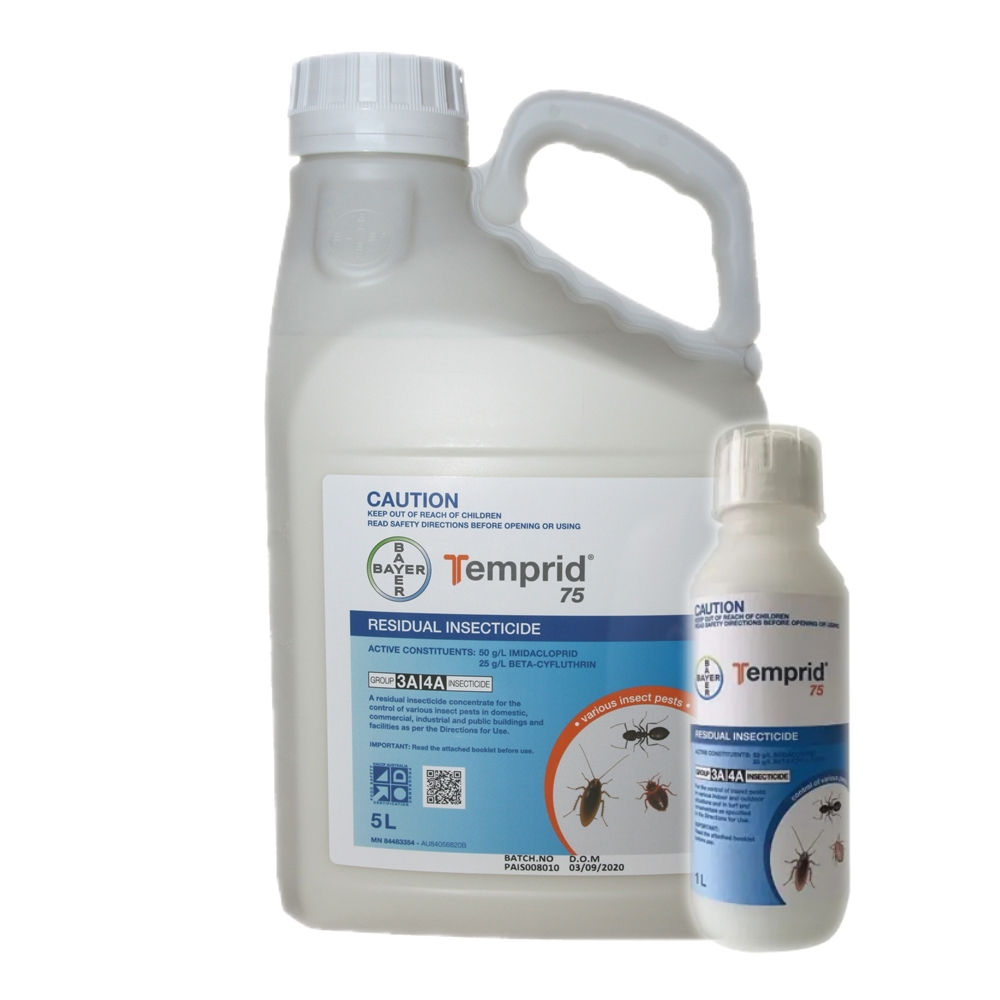
Temprid 75 Residual Insecticide
Price range: $120.00 through $370.00(GST Incl.) -

Surefire Termiticide and Insecticide (Fipronil)
Price range: $180.00 through $315.00(GST Incl.) -

Venom Professional 100SC Insecticide
$205.00(GST Incl.)Out of Stock
-

Indoor and Outdoor Pest Insecticide
Price range: $66.00 through $80.00(GST Incl.) -

Cyzmic Insecticide
$105.00(GST Incl.) -

Suspend Flexx Insecticide
Price range: $145.00 through $405.00(GST Incl.) -

Termidor Residual Termiticide and Insecticide
Price range: $240.00 through $715.00(GST Incl.) -

Surefire Antstar Granular Insecticide
Price range: $60.00 through $150.00(GST Incl.) -

Fipronil Granular Ant Killer
Price range: $65.00 through $175.00(GST Incl.) -

Insect and Spider Spray Insecticide
Price range: $80.00 through $145.00(GST Incl.) -

Insectigone Insecticide
Price range: $85.00 through $160.00(GST Incl.)
How do ants spread?
To understand how ants spread, it’s important to first know how ant colonies work. They form around a central queen, the sole egg layer.
When a colony matures, winged ants (called alates) fly off to establish new nests, usually under warm and humid conditions. Ants are extremely mobile and can travel long distances in search of food and water, entering areas through tiny cracks and crevices.
Ant mobility and longevity, as well as their size, makes it easy for infestations to spread quickly when not addressed early on.
What damage can ants cause?
Ants are known to be destructive, but the type of damage they can cause will depend on the environment and species. Ants are capable of impacting:
- Homes: Contaminating food and building nests in walls, electric outlets, and air conditioners.
- Warehouses and sheds: Damaging stored goods, interfering with machinery, and causing shutdowns.
- Gardens: Protecting pests like aphids, disturbing plant roots, and compromising irrigation systems.
- Crops: Consuming seeds before germination, spreading into stored forage, stinging livestock, damaging farm machinery, and reducing yields.
From these effects alone, it’s clear that ants have the power to significantly impact both livelihoods and infrastructure.
What are the best ways to control ants?
Effective ant control requires careful treatment and continued surveillance. Correct identification of the ant species you’re dealing with will further assist you in choosing the best treatment for your specific situation.
The most popular ant control methods include:
- Baits: Baits combine an insecticide with a food source to make them enticing to ants. Worker ants will dutifully carry the bait back to their colony and share it with the queen and other ants, which leads to eradication of the entire colony. Baits are highly effective at controlling the majority of ant species and expertly target the source of the infestation.
- Insecticide sprays: Direct application of insecticide sprays offers immediate knockdown control of visible ants. They’re also effective at creating a barrier treatment around structures to prevent ants from entering. Sprays are specifically formulated for both indoor and outdoor use.
- Dusts: Insecticide dusts can be precisely applied to cracks, crevices, and voids where ants are found.
- Granules: Granular products are ideal for outdoor perimeter treatments, offering long-lasting residual control against ant activity.
- Non-chemical methods: Proactive actions like maintaining hygiene standards, storing food items in airtight containers, sealing all entry points into structures, and cleaning up spills promptly can reduce the likelihood and severity of ant infestations.
By understanding where ants are on your property and employing tried-and-tested control methods, you can safeguard your home, garden, farm, or structure against these pests and their devastating effects.
For product recommendations or advice, reach out to the Specialist Sales team.