• Locally Australian Owned
  • Friendly Advice
  • FREE & Fast Shipping
  • Secure Online Shopping
  • Quality Guaranteed

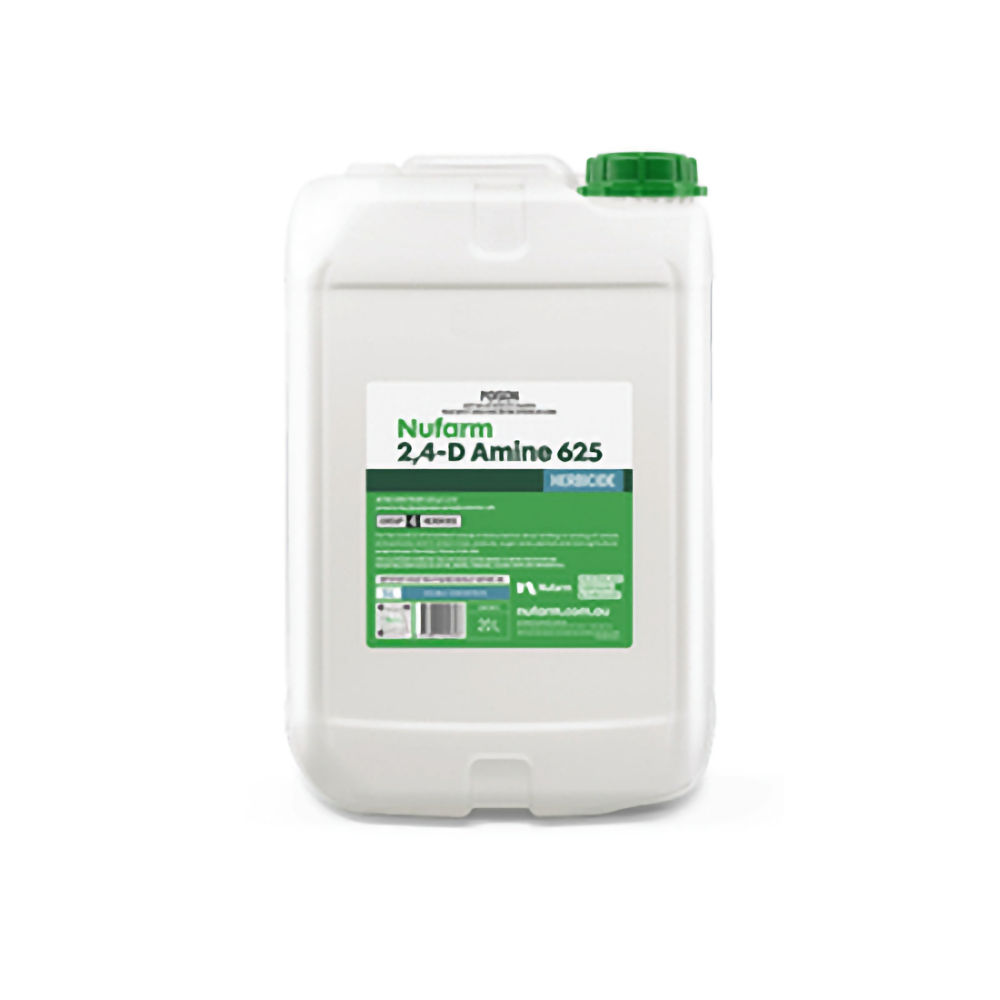
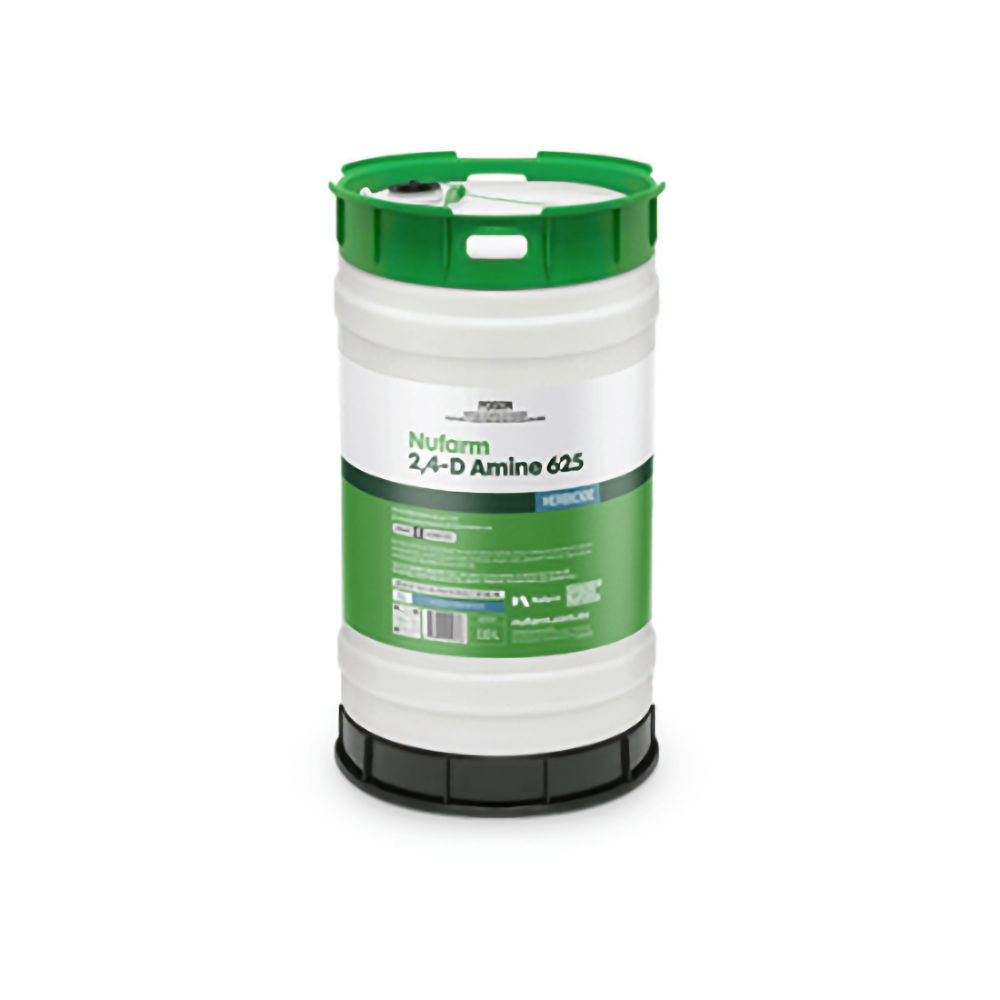
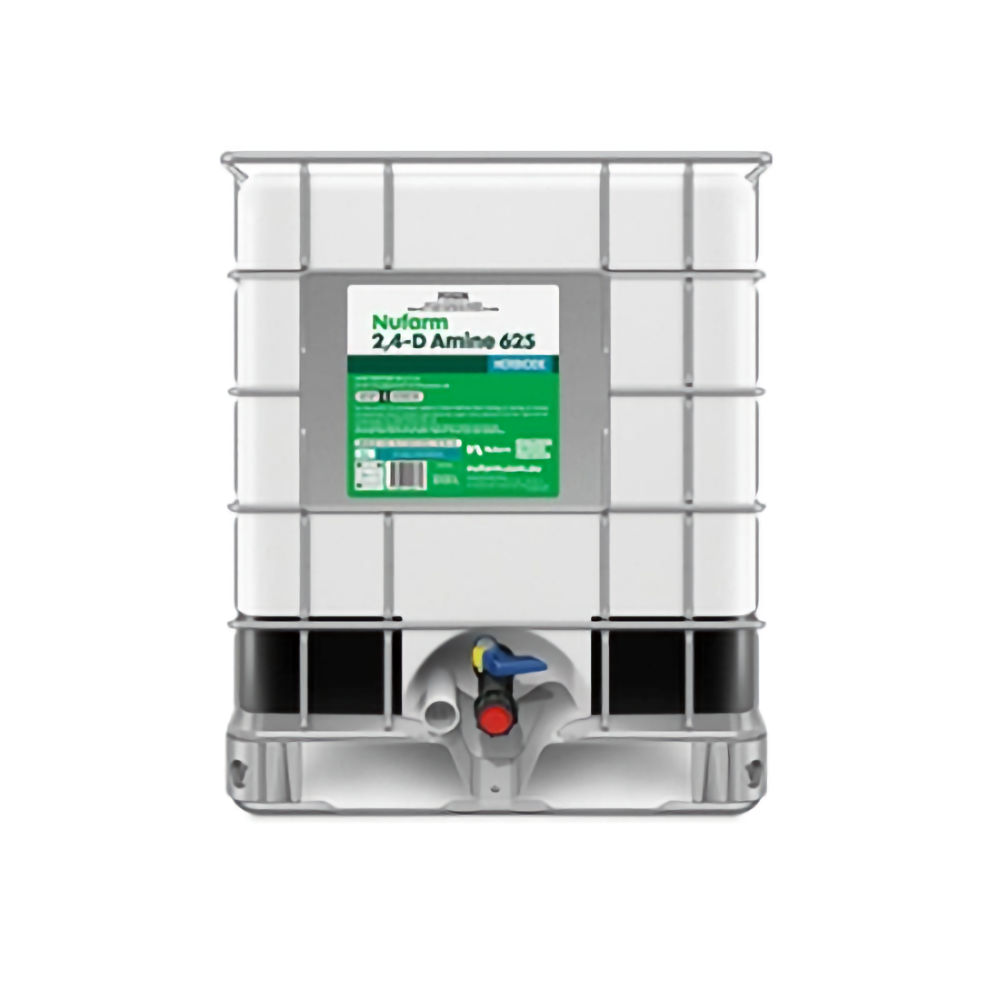
Nufarm 24D Amine 625 Herbicide

Nufarm 2,4-D Amine 625 Herbicide is a water-soluble amine formulation for broadleaf weed control.

It suits fallow sprays before direct drilling or sowing of cereals and pastures. Growers also use it in cereal crops, pastures, sugar cane, peanuts and non-agricultural areas. As a Group 4 phenoxy herbicide, it disrupts plant cell growth in susceptible broadleaf species. Rates run from 225 mL/ha in tolerant cereal situations up to a maximum of 5.3 L/ha. Because it is very toxic to aquatic life, keep it out of streams, rivers and watercourses.

Pack Sizes: 20 litre, 110 litre & 1000 litres. Registrant: Nufarm Australia Limited (APVMA #: 56763/143225)

Similar or comparable to Conquest Amine 625 Herbicide (Conquest) and Surefire Amine 625 Herbicide (PCT)

Click For Technical Info & Tips For Use
0 out of 5 (0 customers reviews)

QuantityDiscountStatus
2 or more$205.00 eachAvailable
-
+

Free & Fast Shipping

Not able to be delivered to a PO box Live remotely? Please ensure a courier can reach your address. Click here for shipping info or give us a call.

This item is dangerous and requires a courier! Ensure a courier can reach your address.
Don’t worry, shipping is STILL FREE!
Click here for shipping info or give us a call.

Ordering multiple large items? They will be shipped on a skid or pallet to ensure that your items arrive safely and securely. The delivery truck will need to be unloaded with a forklift. If you do not have a forklift, please provide an address where a forklift is present.

This item is large and requires a courier! Ensure a courier can reach your address.
Don’t worry, shipping is STILL FREE!
Click here for shipping info or give us a call.

Ordering multiple large items? They will be shipped on a skid or pallet to ensure that your items arrive safely and securely. The delivery truck will need to be unloaded with a forklift. If you do not have a forklift, please provide an address where a forklift is present.

Nufarm 24D Amine 625 Herbicide 24D-625-NUFARM Nufarm

Description

What 2,4-D Amine 625 Herbicide controls

Nufarm 2,4-D Amine 625 Herbicide contains 625 g/L 2,4-D, present as the dimethylamine and diethanolamine salts. This Group 4 phenoxy herbicide controls broadleaf weeds in fallow before direct drilling or sowing. In addition, it treats cereal crops, pastures, sugar cane, peanuts and non-agricultural areas. Nufarm Australia Limited registers the product under APVMA approval number 56763/143225.

The amine salt formulation dissolves fully in water, so mixing stays simple. Growers therefore get even coverage through boom, aerial and high-volume equipment. Boom spraying uses 30 to 120 L/ha of water. Aerial spraying uses 10 to 90 L/ha. However, the label caps the maximum rate at 5.3 L/ha, and 3.6 L/ha by aircraft.

Weeds and situations on the label

The weed table sets a rate for each weed by state and by situation. Common targets include capeweed, wild radish, wild turnip, mustards, thistles, docks and Paterson’s curse. Furthermore, the label covers harder targets such as lantana, groundsel, rubber vine and water hyacinth. The label also carries a Pimelea spp. use pattern for livestock hospital areas. Sugar cane growers use it on bellvine, morning glory and blue snakeweed.

Crop tolerance and plant back

Crop tolerance limits differ by state, so check the tolerance table first. Plant back periods also vary with rate. Canola needs 14 to 28 days, while wheat needs only 1 to 7 days.

Withholding periods and grazing

Crop harvest needs no withholding period when you use the product as directed. Pasture, cereal crops and Pimelea carry a 7-day grazing withholding period. Lucerne sprayed at fallow commencement carries 21 days.

Frequently asked questions

Q: What is the active constituent in Nufarm 2,4-D Amine 625 Herbicide?

A: It contains 625 g/L 2,4-D. The 2,4-D is present as the dimethylamine and diethanolamine salts. Consequently, it mixes readily in water.

Q: What is the maximum application rate?

A: The maximum rate is 5.3 L/ha. Aircraft application must not exceed 3.6 L/ha. In addition, hand-held equipment must not exceed 5.3 L/ha or 530 mL/100 L.

Q: How long before stock can graze a sprayed pasture?

A: The withholding period is 7 days. Do not graze or cut for stock food within 7 days of application. This also applies to cereal crops and Pimelea.

Q: Which resistance group does it belong to?

A: It is a Group 4 herbicide. The phenoxy mode of action disrupts plant cell growth. Therefore, rotate modes of action to manage resistance.

Q: Can Nufarm 2,4-D Amine 625 Herbicide be tank mixed?

A: Yes. The label lists atrazine 900 g/kg, Nufarm Kamba 750, diuron 900 g/kg and chlorsulfuron 500 g/kg. It also lists Nufarm Shirquat, Spray.Seed, propiconazole 500 g/L, Nufarm Trooper 75-D and Nufarm CanDo Adjuvant. However, always run a compatibility test before you mix a full tank.

Q: Is Nufarm 2,4-D Amine 625 Herbicide comparable to Conquest Amine 625 Herbicide and Surefire Amine 625 Herbicide?

A: Yes. All three products contain 625 g/L 2,4-D as an amine salt. All three work as Group 4 broadleaf herbicides. Each one covers cereals, pastures, sugar cane, peanuts and non-agricultural areas. The registrant is the main difference. Nufarm Australia Limited registers this product. Conquest Crop Protection Pty Ltd registers Conquest Amine 625, while PCT Holdings Pty Ltd registers Surefire Amine 625. Pack ranges also differ. Surefire comes in 1 L, 5 L and 20 L. Conquest comes in 20 L and 1000 L. Therefore, growers can generally choose based on price, pack size and availability. Always compare both labels before you substitute one for the other.

Farm Chemical Product Range

Features & Benefits

  • Contains 625 g/L 2,4-D, present as the dimethylamine and diethanolamine salts, for consistent broadleaf activity.
  • Registered across cereals, pastures, sugar cane, peanuts, lawns, playing fields and non-agricultural areas, so one drum covers several jobs.
  • Water-soluble amine formulation dissolves fully, which keeps mixing quick and nozzles clear.
  • Group 4 mode of action gives growers a rotation partner for sulfonylurea and glyphosate programmes.
  • State-specific rates and crop tolerance tables let growers match the rate to the crop stage.
  • Tank mixes with atrazine, dicamba, diuron, chlorsulfuron, propiconazole and paraquat-diquat products, so weed spectrum widens in a single pass.
  • Low hazard to bees; therefore, it can be applied at any time as directed.
  • Available in 20-litre & 110-Litre drums up to 1000-litre returnable shuttles for broadacre programmes.
  • Cut stump and high-volume spot spray options handle boxthorn, boneseed, hawthorn, groundsel and rubber vine.

Share your thoughts!

0 out of 5 stars

0 reviews

Let us know what you think...

What others are saying

There are no contributions yet.

×

Welcome back

Existing account holders please login below via Email or Google Account or Click here to register your NEW FREE ACCOUNT.

Already Registered? Sign in with your email
Register for an account

Secure Checkout

You can shop with Specialist Sales online store with confidence. We have partnered with PayPal, Master and Visa Card which is provided by Braintree. Braintree payment technology accepts credit cards and electronic payments safely and securely for our customers.

Braintree transactions are processed using the 3D Secure framework to ensure your sensitive customer information and credit card processing is safe and secure. Similarly, PayPal also provides comprehensive buyer protection for your peace of mind.

Your information is safe

Specialist Sales adheres to strict industry standards for payment processing, using industry leading security protection measures including 128-bit Secure Sockets Layer (SSL) technology for secure Internet Protocol (IP) transactions, and compliance with the Payment Card Industry Data Security Standard (PCI DSS).

Continue as a Guest

Directions Of Use

Click here for Nufarm 2,4-D Amine 625 Herbicide directions for use

General instructions

  • Nufarm 2,4-D Amine 625 Herbicide is a water-soluble liquid concentrate. Add it to a part-filled, agitating spray tank, then top up with water.
  • Boom spraying: use 30 to 120 L/ha of water.
  • Aerial spraying: use 10 to 90 L/ha of water.
  • Compatibility: the label permits tank mixing with a 900 g/kg atrazine product, Nufarm Kamba 750, a 900 g/kg diuron product, a 500 g/kg chlorsulfuron product, Nufarm Shirquat, Spray.Seed, a 500 g/L propiconazole product, Nufarm Trooper 75-D and Nufarm CanDo Adjuvant.
  • Wash equipment out with hot soapy water, or a 1% solution of ammonia, followed by several clear water rinses, before applying other materials to sensitive plants.

General rate guide

The rates below are a general guide only. Rates vary by state, crop stage, weed species and weed size, so select the exact rate from the label.

Situation General rate guide
Winter cereals, post-emergence (wheat, barley, oats, triticale, cereal rye) 225 mL/ha to 1.7 L/ha, depending on crop, state and crop stage
Fallow or stubble spray before direct drilling or sowing 225 mL/ha to 1.7 L/ha, selected from the label weed table
Harvest aid or salvage spray, winter cereals 1.2 to 1.7 L/ha, after dough stage
Millet, saccaline and broom millet 560 mL/ha to 1.1 L/ha
Stylo forage and seed crops (Qld) 800 mL/ha to 1.6 L/ha
Pastures and non-agricultural areas (NSW, Qld, SA, ACT, Tas) 560 mL/ha to 1.7 L/ha
Pastures not containing legumes (WA) 1.1 to 3.2 L/ha, depending on weed and size
Pastures, spray graze technique 280 mL/ha to 1.6 L/ha, depending on state
Lucerne stand reduction at fallow commencement 2.4 L/ha, plus spray oil or non-ionic surfactant
Conservation tillage, direct drilling and surface sowing 560 mL/ha to 1.6 L/ha
Sugarcane 560 mL/ha to 3.5 L/ha, or 280 mL/100 L water as a directed spray
Peanuts 1.8 to 3.6 L/ha, as a band spray or an overall spray before crop emergence
Bananas, sucker destruction 160 mL/10 L water by injection, or 320 mL/100 L water as a spray
Lawns and playing fields (Qld, NSW, ACT) 1.5 to 3 mL/L of water, or 1.6 to 3.2 L/ha
Lawns and playing fields (WA) 40 mL/10 to 15 L water per 100 m2
Hardwood and softwood plantations Up to 1.6 L/ha
Oil tea tree Up to 960 mL/ha as a shielded spray
Pimelea spp. 800 mL/ha plus wetter by boom, or 55 mL/100 L water plus wetter by spot spray
Rights of way, industrial and woody weeds (groundsel, lantana, rubber vine, water hyacinth and similar) 160 mL/100 L water up to 5.3 L/ha, depending on weed and method
Cut stump treatment (boxthorn, boneseed, hawthorn) Undiluted, applied or painted to freshly cut stumps
Spot spraying, high volume Add one tenth of the label weed table rate to 150 L of water. Each 150 L covers 1000 m2

Key restraints

  • Do not exceed the maximum application rate of 5.3 L/ha.
  • Do not apply by hand-held spraying equipment at rates exceeding 5.3 L/ha or 530 mL/100 L.
  • Do not apply by aircraft at rates exceeding 3.6 L/ha.
  • Do not apply by spraying equipment carried on the back of the user.
  • Do not use open mixing or loading equipment if treating more than 50 hectares in one day.
  • Do not apply if heavy rains or storms are forecast within 3 days, or if any rain is likely within 6 hours.
  • Do not apply if the crop or weeds are stressed due to dry or excessively moist conditions.
  • In Tasmania, this product may only be used from 15 April to 15 September unless otherwise permitted by the Registrar of Pesticides.
  • No-till restrictions apply in Tasmania, South Australia and Western Australia. Seasonal maximum rates also apply in pastures, sugarcane and peanuts. Refer to the label.
  • Spray drift: apply only when the wind speed is between 3 and 20 kilometres per hour, using droplets no smaller than a very coarse category. Mandatory buffer zones apply for both boom sprayers and aircraft. Refer to the label for the full buffer zone tables.

Plant back periods

  • Plant back periods run from 1 to 28 days, depending on the following crop and the rate applied. Canola, rapeseed, chickpeas, safflower, lupins and cotton carry the longest periods.
  • On dry soils, at least 15 mm of rain must fall before the plant back period starts.
  • Refer to the label for the full plant back table before sowing.

Re-treatment interval

  • Pimelea spp.: do not apply more than 2 applications per year, with a minimum re-treatment interval of 21 days between consecutive applications.
  • Hardwood and softwood plantations: a single pre-plant application and a maximum of 2 post-plant applications within the first 2 years following planting.
  • A general re-treatment interval for other situations: information not found in source docs.

Critical comments

  • Do not spray crops or weeds outside the stages indicated on the label, as damage, loss of yield or inadequate weed control may result.
  • Do not spray cereals if lucerne is present.
  • Do not apply under weather conditions, or from spraying equipment, that may cause spray to drift onto nearby susceptible plants, crops, cropped lands or pastures.
  • Avoid spray drift onto susceptible crops such as cotton, tobacco, tomatoes, vines, lupins, fruit trees and ornamentals.
  • This is a phenoxy herbicide that can cause severe damage to native vegetation and susceptible crops such as cotton, grapes, tomatoes, oilseed crops and ornamentals.
  • Very toxic to aquatic life. Do not contaminate streams, rivers or watercourses with the chemical or the used container.
  • Low hazard to bees. The product may be applied at any time as recommended in the directions for use.
  • Not to be used for any purpose, or in any manner, contrary to the label unless authorised under appropriate legislation.

Refer to the label

For the complete directions for use, read the Nufarm 2,4-D Amine 625 Herbicide label. The label carries the full weed table with rates by state, the crop tolerance limits, the plant back table, the seasonal and regional timing restrictions for pastures, sugarcane and peanuts, and the mandatory spray drift buffer zones for boom sprayers and aircraft.

Rates are a general guide only. Before opening, carefully read Nufarm 2,4-D Amine 625 Herbicide directions for use, precautionary and protection statements, storage and disposal, safety directions and first aid instructions. The product is designed for the particular purpose indicated on the label. Failure to use the product strictly as directed may be illegal and dangerous, and may render the product ineffective.

Questions and answers from customers

There are no questions yet. Be the first to ask a question about this product.

Send me a notification for each new answer.

Disclaimer: This information and product advice is not intended to be advice or recommendations for any specific use or circumstance. You should seek specialist advice before using any product. Always follow the manufacturer’s guidelines. Specialist Sales liability is limited.

Host & Pest

Host Pest
Host & Pest
Banana, Banana Plantation Banana Sucker Eradication
Barley Amaranth Or Amaranthus, Amsinckia, Yellow Burrweed Or Burr Grass, Annual Thistle, Apple-Of-Peru, Bathurst Burr, Bellvine, Billygoat Weed Or Blue Top, Bindweed, Black-Eyed Susan, Blackberry Nightshade, Blue Snakeweed, Californian Burr, Californian Thistle, Caltrop Or Yellow Vine, Camel Or Afghan Melon, Canola - Brassica Napus, Cape Tulip, Capeweed, Castor Oil Bush, Cat's Ear Or Flatweed, Chamomile Or Matricaria, Charlock, Clover, Cobbler's Pegs, Common Iceplant, Common Sida, Dock, Doveweed, Erodium, Crowfoot Or Storksbill, Fat Hen, Flannel Weed - Abutilon Oxycarpum, Fumitory - Red, Fumitory - White, Heliotrope - Heliotropium Spp., Hoary Cress Or Whiteweed, Horehound, Indian Hedge Mustard, Khaki Weed, Knobweed, Lincoln Weed, Sand Rocket Or Mustard, London Rocket, Lupins, Melilotus Or Hexham Scent, Mexican Poppy, Mintweed, Morning Glory - Ipomoea Spp., Mustard, Needle Burr, New Zealand Spinach, Noogoora Burr, Paddy Melon, Paterson's Curse, Pinkburr, Potato Or Yellow Weed, Purple Top, Radish, Ragwort, Rough Poppy, Safflower, Saffron Thistle, Shepherd's Purse, Siratro, Skeleton Weed, Slender, Shore Or Sheep Thistle, Soldier Thistle, Sorrel, Sow Or Milk Thistle, Spear Or Black Thistle, Speedwell, Spiny Emex, Spinyhead Sida, Star Of Bethlehem Or Cupid's Flower, Star Thistle, Starburr, Stinkwort, Sunflower - Seedling, Thornapple, Three Cornered Jack Or Doublegee, Tridax Daisy, Turnip Weed, Variegated Thistle, Vetches, Ward's Weed, Wild Cabbage, Wild Poppy, Wild Radish Or Radish Weed, Wild Turnip, Wireweed, Knotweed Or Hogweed
Broom Millet, Saccaline Cape Tulip, Dock, Indian Hedge Mustard, London Rocket, Lupins, Radish, Saffron Thistle, Turnip Weed, Wild Turnip
Caribbean Stylo Forage Crop, Caribbean Stylo Seed Crop, Common Stylo Forage Crop, Common Stylo Seed Crop, Fallow, Stubble Spray Prior To Canola, Fallow,stubble - Prior To Peanut, High Volume Spraying, Knapsack Application, Lawn, Millet, Playing Field Amaranth Or Amaranthus, Amsinckia, Yellow Burrweed Or Burr Grass, Annual Thistle, Apple-Of-Peru, Bathurst Burr, Bellvine, Billygoat Weed Or Blue Top, Bindweed, Black-Eyed Susan, Blackberry Nightshade, Blue Snakeweed, Californian Burr, Californian Thistle, Caltrop Or Yellow Vine, Camel Or Afghan Melon, Canola - Brassica Napus, Cape Tulip, Capeweed, Castor Oil Bush, Cat's Ear Or Flatweed, Charlock, Clover, Cobbler's Pegs, Common Iceplant, Common Sida, Dock, Doveweed, Erodium, Crowfoot Or Storksbill, Fat Hen, Flannel Weed - Abutilon Oxycarpum, Fumitory - Red, Fumitory - White, Heliotrope - Heliotropium Spp., Hoary Cress Or Whiteweed, Horehound, Indian Hedge Mustard, Khaki Weed, Knobweed, Lincoln Weed, Sand Rocket Or Mustard, London Rocket, Lupins, Melilotus Or Hexham Scent, Mexican Poppy, Mintweed, Morning Glory - Ipomoea Spp., Mustard, Needle Burr, New Zealand Spinach, Noogoora Burr, Paddy Melon, Paterson's Curse, Pinkburr, Potato Or Yellow Weed, Purple Top, Radish, Ragwort, Rough Poppy, Safflower, Saffron Thistle, Shepherd's Purse, Siratro, Skeleton Weed, Slender, Shore Or Sheep Thistle, Soldier Thistle, Sorrel, Sow Or Milk Thistle, Spear Or Black Thistle, Speedwell, Spiny Emex, Spinyhead Sida, Star Of Bethlehem Or Cupid's Flower, Star Thistle, Starburr, Stinkwort, Sunflower - Seedling, Thornapple, Tridax Daisy, Turnip Weed, Variegated Thistle, Vetches, Ward's Weed, Wild Cabbage, Wild Poppy, Wild Radish Or Radish Weed, Wild Turnip, Wireweed, Knotweed Or Hogweed
Cereal Rye, Fallow, Stubble Spray Prior To Grain Leg, Fallow, Stubble Spray Prior To Winter Ce, Triticale Amaranth Or Amaranthus, Amsinckia, Yellow Burrweed Or Burr Grass, Annual Thistle, Apple-Of-Peru, Bathurst Burr, Bellvine, Billygoat Weed Or Blue Top, Bindweed, Black-Eyed Susan, Blackberry Nightshade, Blue Snakeweed, Californian Burr, Californian Thistle, Caltrop Or Yellow Vine, Camel Or Afghan Melon, Canola - Brassica Napus, Cape Tulip, Capeweed, Castor Oil Bush, Cat's Ear Or Flatweed, Charlock, Clover, Cobbler's Pegs, Common Iceplant, Common Sida, Dock, Doveweed, Erodium, Crowfoot Or Storksbill, Fat Hen, Flannel Weed - Abutilon Oxycarpum, Fumitory - Red, Fumitory - White, Heliotrope - Heliotropium Spp., Hoary Cress Or Whiteweed, Horehound, Indian Hedge Mustard, Khaki Weed, Knobweed, Lincoln Weed, Sand Rocket Or Mustard, London Rocket, Lupins, Melilotus Or Hexham Scent, Mexican Poppy, Mintweed, Morning Glory - Ipomoea Spp., Mustard, Needle Burr, New Zealand Spinach, Noogoora Burr, Paddy Melon, Paterson's Curse, Pinkburr, Potato Or Yellow Weed, Purple Top, Radish, Ragwort, Rough Poppy, Safflower, Saffron Thistle, Shepherd's Purse, Siratro, Skeleton Weed, Slender, Shore Or Sheep Thistle, Soldier Thistle, Sorrel, Sow Or Milk Thistle, Spear Or Black Thistle, Speedwell, Spiny Emex, Spinyhead Sida, Star Of Bethlehem Or Cupid's Flower, Star Thistle, Starburr, Stinkwort, Sunflower - Seedling, Thornapple, Tridax Daisy, Turnip Weed, Variegated Thistle, Vetches, Volunteer Canola, Ward's Weed, Wild Cabbage, Wild Poppy, Wild Radish Or Radish Weed, Wild Turnip, Wireweed, Knotweed Or Hogweed
Conservation Tillage Weed Control Charlock, Clover, Mustard, Saffron Thistle, Shepherd's Purse, Slender, Shore Or Sheep Thistle, Sorrel, Spear Or Black Thistle, Turnip Weed, Variegated Thistle, Wild Radish Or Radish Weed, Wild Turnip
Fallow & Non Crop Volunteer Lucerne - Seedling
Hardwood And Softwood Plantation Broadleaf Weeds - See Label, Volunteer Or Wildling Pinus Spp.
Industrial Land Or Area, Rights Of Way Artichoke Thistle, Bathurst Burr, Billygoat Weed Or Blue Top, Bitou Bush Or Boneseed, Blue Snakeweed, Boxthorn, Burr Medic, Clockweed, Cotton Bush (milky Cotton Bush), Fleabane, Galvanised Burr, Groundsel, Hawthorn, Hemlock, Hoary Cress Or Whiteweed, Knobweed, Kyllinga Weed, Lantana - Lantana Camara, Mother-Of-Millions, Noogoora Burr, Parthenium Weed, Paterson's Curse, Perennial Pigweed, Pigweed Spp., Rubber Vine, Saffron Thistle, Scarlet Pimpernel - Seedling, Sesbania Pea, Starburr, Thornapple, Variegated Thistle, Water Hyacinth, Weir Vine, White Eye Or Mexican Clover, Wild Tobacco Tree
Non-Agricultural Area - General Amaranth Or Amaranthus, Amsinckia, Yellow Burrweed Or Burr Grass, Annual Thistle, Apple-Of-Peru, Bathurst Burr, Bellvine, Billygoat Weed Or Blue Top, Bindweed, Black-Eyed Susan, Blackberry Nightshade, Blue Snakeweed, Californian Burr, Californian Thistle, Caltrop Or Yellow Vine, Camel Or Afghan Melon, Canola - Brassica Napus, Cape Tulip, Capeweed, Castor Oil Bush, Cat's Ear Or Flatweed, Charlock, Clover, Cobbler's Pegs, Common Iceplant, Common Sida, Dock, Doveweed, Erodium, Crowfoot Or Storksbill, Fat Hen, Flannel Weed - Abutilon Oxycarpum, Fumitory - Red, Fumitory - White, Galvanised Burr, Heliotrope - Heliotropium Spp., Hoary Cress Or Whiteweed, Horehound, Indian Hedge Mustard, Khaki Weed, Knobweed, Lincoln Weed, Sand Rocket Or Mustard, London Rocket, Lupins, Melilotus Or Hexham Scent, Mexican Poppy, Mintweed, Morning Glory - Ipomoea Spp., Mustard, Needle Burr, New Zealand Spinach, Noogoora Burr, Paddy Melon, Paterson's Curse, Pinkburr, Potato Or Yellow Weed, Purple Top, Radish, Ragwort, Rough Poppy, Safflower, Saffron Thistle, Shepherd's Purse, Siratro, Skeleton Weed, Slender, Shore Or Sheep Thistle, Soft Roly Poly, Soldier Thistle, Sorrel, Sow Or Milk Thistle, Spear Or Black Thistle, Speedwell, Spiny Emex, Spinyhead Sida, Star Of Bethlehem Or Cupid's Flower, Star Thistle, Starburr, Stinkwort, Sunflower - Seedling, Thornapple, Three Cornered Jack Or Doublegee, Tridax Daisy, Turnip Weed, Variegated Thistle, Vetches, Ward's Weed, Wild Cabbage, Wild Poppy, Wild Radish Or Radish Weed, Wild Turnip, Wireweed, Knotweed Or Hogweed
Oats, Wheat Amaranth Or Amaranthus, Amsinckia, Yellow Burrweed Or Burr Grass, Annual Thistle, Apple-Of-Peru, Bathurst Burr, Bellvine, Billygoat Weed Or Blue Top, Bindweed, Black-Eyed Susan, Blackberry Nightshade, Blue Snakeweed, Californian Burr, Californian Thistle, Caltrop Or Yellow Vine, Camel Or Afghan Melon, Canola - Brassica Napus, Cape Tulip, Capeweed, Castor Oil Bush, Cat's Ear Or Flatweed, Chamomile Or Matricaria, Charlock, Clover, Cobbler's Pegs, Common Iceplant, Common Sida, Dock, Doveweed, Erodium, Crowfoot Or Storksbill, Fat Hen, Flannel Weed - Abutilon Oxycarpum, Fumitory - Red, Fumitory - White, Heliotrope - Heliotropium Spp., Hoary Cress Or Whiteweed, Horehound, Indian Hedge Mustard, Khaki Weed, Knobweed, Lincoln Weed, Sand Rocket Or Mustard, London Rocket, Lupins, Melilotus Or Hexham Scent, Mexican Poppy, Mintweed, Morning Glory - Ipomoea Spp., Mustard, Needle Burr, New Zealand Spinach, Noogoora Burr, Paddy Melon, Paterson's Curse, Pinkburr, Potato Or Yellow Weed, Purple Top, Radish, Ragwort, Rough Poppy, Safflower, Saffron Thistle, Shepherd's Purse, Siratro, Skeleton Weed, Slender, Shore Or Sheep Thistle, Soldier Thistle, Sorrel, Sow Or Milk Thistle, Spear Or Black Thistle, Speedwell, Spiny Emex, Spinyhead Sida, Star Of Bethlehem Or Cupid's Flower, Star Thistle, Starburr, Stinkwort, Sunflower - Seedling, Thornapple, Three Cornered Jack Or Doublegee, Tridax Daisy, Turnip Weed, Variegated Thistle, Vetches, Volunteer Canola, Ward's Weed, Wild Cabbage, Wild Poppy, Wild Radish Or Radish Weed, Wild Turnip, Wireweed, Knotweed Or Hogweed
Pasture Amaranth Or Amaranthus, Amsinckia, Yellow Burrweed Or Burr Grass, Annual Thistle, Apple-Of-Peru, Artichoke Thistle, Bathurst Burr, Bellvine, Billygoat Weed Or Blue Top, Bindweed, Bitou Bush Or Boneseed, Black-Eyed Susan, Blackberry Nightshade, Blue Snakeweed, Boxthorn, Burr Medic, Californian Burr, Californian Thistle, Caltrop Or Yellow Vine, Camel Or Afghan Melon, Canola - Brassica Napus, Cape Tulip, Capeweed, Castor Oil Bush, Cat's Ear Or Flatweed, Charlock, Clockweed, Clover, Cobbler's Pegs, Common Iceplant, Common Sida, Cotton Bush (milky Cotton Bush), Dock, Doveweed, Erodium, Crowfoot Or Storksbill, Fat Hen, Flannel Weed - Abutilon Oxycarpum, Fleabane, Fumitory - Red, Fumitory - White, Galvanised Burr, Groundsel, Hawthorn, Heliotrope - Heliotropium Spp., Hemlock, Hoary Cress Or Whiteweed, Horehound, Indian Hedge Mustard, Khaki Weed, Knobweed, Kyllinga Weed, Lantana - Lantana Camara, Lincoln Weed, Sand Rocket Or Mustard, London Rocket, Lupins, Melilotus Or Hexham Scent, Mexican Poppy, Mintweed, Morning Glory - Ipomoea Spp., Mother-Of-Millions, Mustard, Needle Burr, New Zealand Spinach, Noogoora Burr, Paddy Melon, Parthenium Weed, Paterson's Curse, Perennial Pigweed, Pigweed Spp., Pinkburr, Potato Or Yellow Weed, Purple Top, Radish, Ragwort, Rough Poppy, Rubber Vine, Safflower, Saffron Thistle, Scarlet Pimpernel - Seedling, Sesbania Pea, Shepherd's Purse, Siratro, Skeleton Weed, Slender, Shore Or Sheep Thistle, Soft Roly Poly, Soldier Thistle, Sorrel, Sow Or Milk Thistle, Spear Or Black Thistle, Speedwell, Spiny Emex, Spinyhead Sida, Star Of Bethlehem Or Cupid's Flower, Star Thistle, Starburr, Stinkwort, Sunflower - Seedling, Thornapple, Three Cornered Jack Or Doublegee, Tridax Daisy, Turnip Weed, Variegated Thistle, Vetches, Ward's Weed, Water Hyacinth, Weir Vine, White Eye Or Mexican Clover, Wild Cabbage, Wild Poppy, Wild Radish Or Radish Weed, Wild Tobacco Tree, Wild Turnip, Wireweed, Knotweed Or Hogweed
Pasture Spray/graze Amsinckia, Yellow Burrweed Or Burr Grass, Annual Thistle, Caltrop Or Yellow Vine, Capeweed, Charlock, Dock, Dock - Seedling, Erodium, Crowfoot Or Storksbill, Geranium, Melon, Mustard, Paterson's Curse, Saffron Thistle, Sheep, Shore Or Winged Slender Thistle, Shepherd's Purse, Spear Or Black Thistle, Thistle, Three Cornered Jack Or Doublegee, Turnip, Turnip Weed, Variegated Thistle, Wild Radish Or Radish Weed, Wild Turnip
Pastures, Forests, Commercial And Industrial Areas, Fencelines, Right Of Way, Domestic And Public Services Areas Pimelea Sp.
Peanut Broadleaf Weeds - Except Noogoora Burr, Grasses - Except Mossman Burr
Sugar Cane Bindy-Eye, Blue Snakeweed, Blue Top - Ageratum/heliotropium Spp., Chinese Mint, Cobbler's Pegs, Convolvulus Vines, Fleabane, Ipomoea Vines, Jute, Leucas, Needle Burr, Spear Or Black Thistle, Water Primrose
Sugar Cane - H56 Variety, Sugar Cane - Q80 Variety, Sugar Cane - Q96 Variety Bellvine, Morning Glory - Ipomoea Spp., Pink Convolvulus, Star Of Bethlehem Or Cupid's Flower
Winter Cereal-Harvest Aid,spray Salvage Desiccate Broadleaf Weeds

Tips For Use

Storage

  • Store in the closed, original container in a cool, well-ventilated area.
  • Do not store for prolonged periods in direct sunlight.
  • Keep the container tightly closed and store away from incompatible materials.
  • Protect from freezing.

Handling

  • Add the product to a part-filled, agitating spray tank, then top up with water.
  • Avoid inhalation of vapours and mists, and skin or eye contact.
  • Use only in a well-ventilated area and keep containers sealed when not in use.
  • Wash hands before eating, drinking, smoking or using toilet facilities.
  • Do not use open mixing or loading equipment if treating more than 50 hectares in one day.
  • Wash equipment out with hot soapy water, or a 1% solution of ammonia, followed by several clear water rinses, before applying other materials to sensitive plants.

Side Effects

  • Some temporary yellowing of cereal crops may occur after application.
  • Undersown sub-clovers may be slightly retarded, and pasture legumes including lucerne, clovers and medics may be damaged.
  • Treated variegated thistle plants may become toxic to stock.
  • Pimelea may become more palatable after application, so exclude stock until treated plants are leafless, seedless and obviously dead.
  • Spray drift can cause severe damage to native vegetation and to susceptible crops such as cotton, grapes, tomatoes, oilseed crops and ornamentals.

Safety Directions

  • Poisonous if absorbed by skin contact, inhaled or swallowed.
  • Corrosive to the eyes and skin. Will irritate the nose and throat.
  • Avoid contact with the eyes and skin. Do not inhale vapour or spray mist.
  • Mixing and loading with open systems: wear chemical-resistant waterproof clothing over a layer of normal clothing, a washable hat, elbow-length chemical-resistant gloves, impervious footwear and a full facepiece respirator with organic vapour or gas cartridge or canister.
  • Mixing and loading with closed systems: wear cotton overalls over normal clothing, buttoned to the neck and wrist, elbow-length chemical resistant gloves and a face shield or goggles.
  • Boomspray equipment with enclosed operator’s cab and air filtration, or aerial spraying equipment: wear cotton overalls buttoned to the neck and wrist (or equivalent clothing) and elbow-length chemical resistant gloves.
  • Boomspray equipment with open operator’s cab, or hand-held spray equipment: wear chemical-resistant waterproof clothing over a layer of normal clothing, a washable hat, elbow-length chemical-resistant gloves and a full facepiece respirator with organic vapour or gas cartridge or canister.
  • After use: if clothing becomes contaminated, remove it immediately. If product is on skin, immediately wash the area with soap and water. If product is in the eyes, wash it out immediately with water.
  • After use and before eating, drinking or smoking, wash hands, arms and face thoroughly with soap and water.
  • After each day’s use, wash gloves, respirator, face shield or goggles and contaminated clothing.

Additional User Safety

  • Causes serious eye damage and may cause an allergic skin reaction.
  • Wear protective gloves, clothing, eye and face protection.
  • Do not eat, drink or smoke when using this product.
  • Contaminated work clothing should not be allowed out of the workplace, and should be washed before reuse.
  • Re-entry: do not hand harvest sugar cane for at least 1 day after application.
  • If re-entering treated areas before the spray has dried, wear overalls, elbow-length gloves and water-resistant footwear. Launder clothing after each day’s use.
  • Eye wash, safety shower and normal washroom facilities should be available.

Disposal

  • Non-refillable containers: triple-rinse containers before disposal and add the rinsings to the spray tank.
  • Do not dispose of undiluted chemicals on site.
  • If recycling, replace the cap and return clean containers to a recycler or designated collection point.
  • If not recycling, break, crush or puncture the container and deliver the empty packaging to an approved waste management facility.
  • If an approved facility is not available, bury the empty packaging 500 mm below the surface in a disposal pit specifically marked and set up for this purpose, clear of waterways, desirable vegetation and tree roots, in compliance with relevant local, state or territory government regulations.
  • Do not burn empty containers or product.
  • Returnable containers: empty contents fully into application equipment, close all valves and return to the point of supply for refill or storage.

First Aid

  • If inhaled, remove the affected person from the contaminated area and keep at rest until recovered. If symptoms develop or persist, seek medical attention.
  • If swallowed, do not induce vomiting. Wash out the mouth thoroughly with water and seek immediate medical attention.
  • If on skin, remove all contaminated clothing immediately and wash the affected area thoroughly with soap and water. Seek medical attention.
  • If in eyes, hold the eyelids apart and flush the eyes continuously with running water. Remove contact lenses. Continue flushing until advised to stop by the Poisons Information Centre or a doctor, or for at least 15 minutes. Seek immediate medical attention.
  • If poisoning occurs, contact a doctor or the Poisons Information Centre. Phone Australia 131 126.
  • For further information, refer to the Safety Data Sheet (SDS).

This information and product advice are not intended as advice or recommendations for any specific use or circumstance. You should seek specialist advice before using any product. Always follow the manufacturer’s guidelines. Specialist Sales liability is limited.

Withholding Period

Withholding Period Details (WHP)

  • Harvest: crop harvest withholding period not required when used as directed.
  • Grazing, pasture, cereal crops and Pimelea: do not graze or cut for stock food for 7 days after application.
  • Grazing, lucerne (after fallow commencement application): do not graze, cut or cultivate for at least 21 days after spraying.
  • Re-entry: do not hand harvest sugar cane for at least 1 day after application.

SDS & Technical

Nufarm 2,4-D Amine 625 Herbicide Label (APVMA) Download Pdf
Nufarm 2,4-D Amine 625 Herbicide Label Download Pdf
Nufarm 2,4-D Amine 625 Herbicide SDS Download Pdf

Related Products