



Cattle Tick Control
Showing 25–36 of 66 results
-

Amitik WP Cattle Dip and Spray (Amitraz)
$405.00(GST Incl.)Out of Stock
-

Amitik EC Cattle and Pig Spray
$199.00(GST Incl.) -

Ivomec LV Pour-On for Cattle
Price range: $225.00 through $810.00(GST Incl.) -

Big Gun Multipack 30ml Plastic Pour-On Applicator (A10151)
$105.00(GST Incl.) -

Ezi Squeeze 40ml Plastic Pour-On Drench Applicator (A10159)
$115.00(GST Incl.) -

Multimin 12ml Injector/Vaccinator (A10127)
$75.00(GST Incl.)Out of Stock
-

15ml Dial-a-Dose Injector (PAS1263)
$60.00(GST Incl.) -
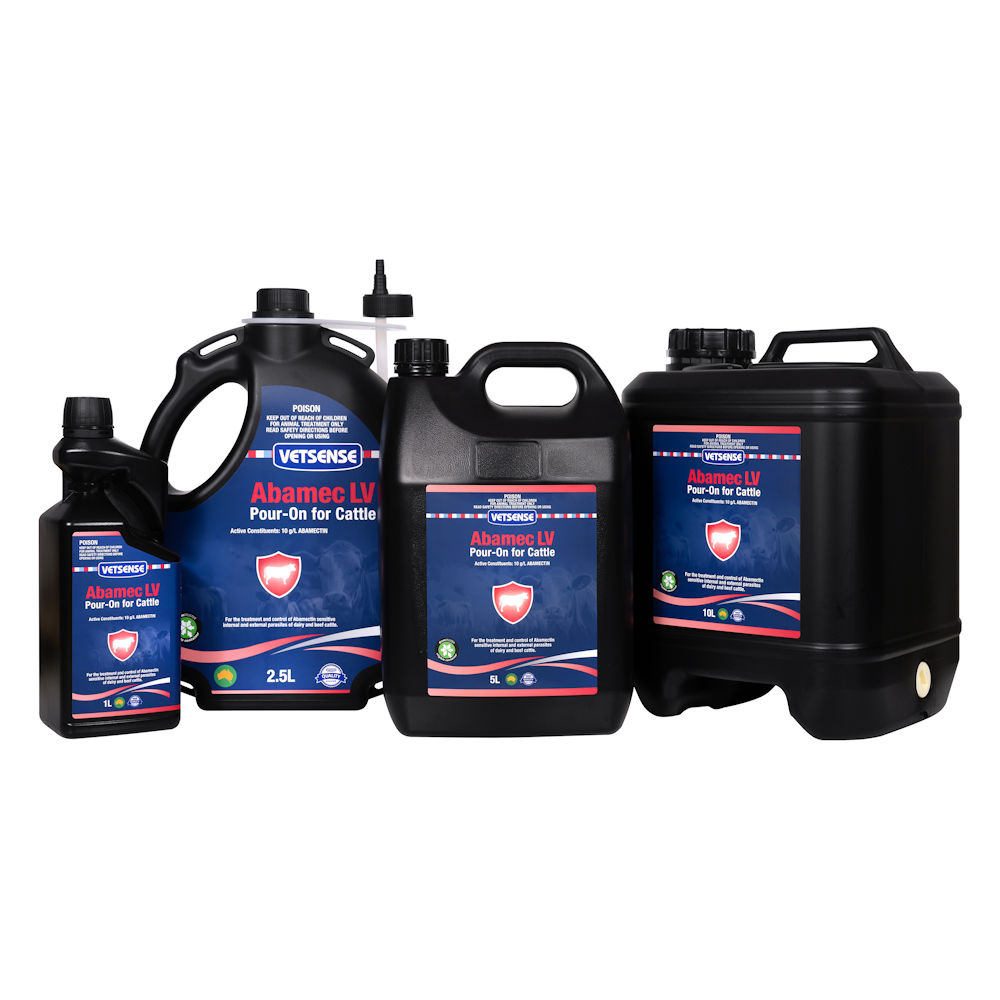
Abamec LV Pour-On for Cattle
Price range: $120.00 through $599.00(GST Incl.) -

Acatak 30mL Applicator
$75.00(GST Incl.)Out of Stock
-

Ausmectin Cattle Pour-On (Ivermectin)
Price range: $125.00 through $660.00(GST Incl.) -

Avomec Plus Cattle Pour-On (Abamectin & Triclabendazole)
Price range: $340.00 through $2,905.00(GST Incl.) -

Baymec Gold Cattle Injection
$205.00(GST Incl.)Out of Stock
Why is cattle tick a problem?
Cattle tick has severe effects on animal health. By transmitting serious diseases to cattle, cattle tick can lead to weight loss, skin lesions, stress, and in some cases, death, all of which have a dire impact on productivity.
Where is cattle tick found?
Cattle tick is primarily found in Queensland, the Northern Territory, and parts of northern New South Wales. Infestations peak during the warmer, wetter months, usually from late spring to early autumn, when conditions favour tick survival. However, in tropical areas like northern Queensland, ticks may be active year-round.
How to control cattle tick
Chemical control is the most effective and widely used method for managing cattle tick. Acaricides – chemicals used to kill ticks – can be applied to cattle in various forms, which include pour-on treatments, sprays, dips, and injectable treatments.
Types of acaricides
Common classes of acaricides used in Australia include:
- Synthetic pyrethroids (e.g., cypermethrin)
- Organophosphates (e.g., chlorfenvinphos)
- Macrocyclic lactones (e.g., ivermectin and moxidectin)
- Fluazuron, a tick development inhibitor used as a pour-on
- Fluazuron and ivermectin combination drenches and pour-ons
Each of these product types has its own application method and prevention period. Some offer immediate knockdown effects, whereas others work systemically or interfere with tick development over time.
Strategic treatment
Rather than treating cattle tick year-round, most producers prefer strategic treatment, which involves applying chemicals at critical times to reduce tick populations before they peak. This usually means treating after the first signs of ticks in spring, and again before autumn comes to break the tick life cycle.
Resistance management
Prolonged use of the same chemicals can lead to resistance, which is a growing problem in Australia. To counter this, producers are encouraged to rotate active ingredients and monitor the effectiveness of different treatments over time. If you suspect your herd may be developing resistance, consult a veterinarian and consider tick sensitivity testing.
How to apply cattle tick control products
The most common application methods for tick control are:
- Plunge dips: In this method, animals are fully immersed in a liquid solution. Plunge dips are effective for treating large herds quickly.
- Sprays: Sprays are often used in smaller operations, as they can be labour intensive to administer, but provide good control when applied correctly.
- Pour-ons: Pour-on treatments are applied along the backline of the animal. They’re convenient and require minimal handling.
- Injectables: Injectable treatments are quick and efficient to administer, and provide long-lasting systemic control in many cases.
To ensure food safety, all chemical treatments for cattle tick must be used according to product labels. Always observe the recommended withholding periods for meat and milk.
Discover cattle tick treatment options from market-leading brands now. If you need support selecting the right product, get in contact with the knowledgeable Specialist Sales team.